
How Smart Compressed Gas Providers Solve Safety, Supply, and Cost Problems
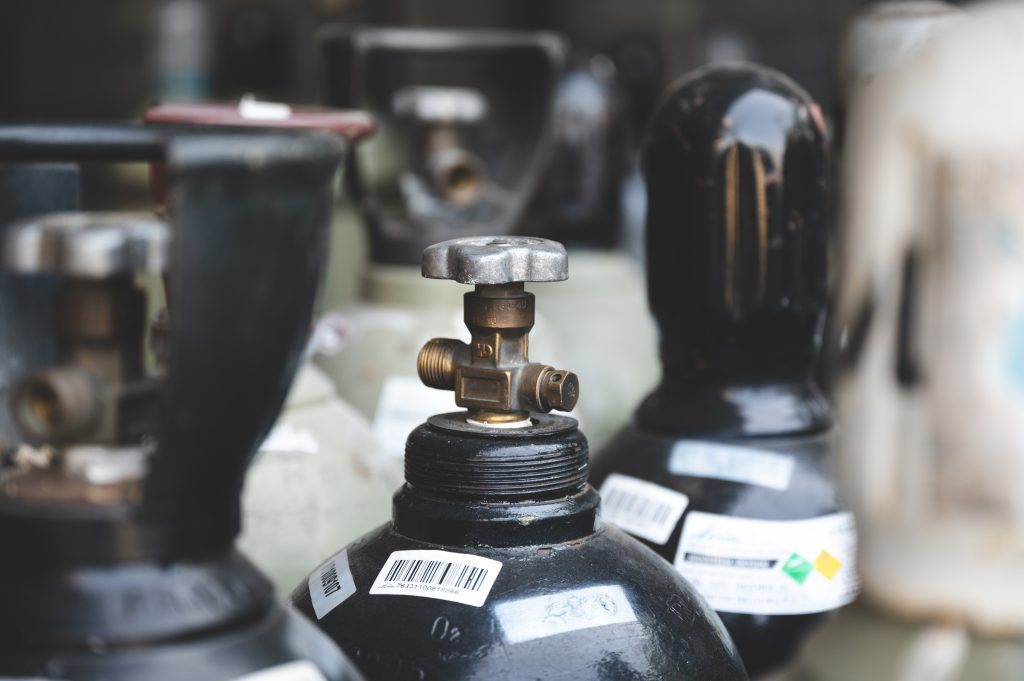
How Smart Compressed Gas Providers Solve Safety, Supply, and Cost Problems Introduction: A Changing Gas Industry The compressed gas industry is changing very fast. New rules, new risks, and new demands are rising. Many businesses use gases every day. Hospitals need oxygen. Food brands need nitrogen and CO₂. Factories and labs use many types of gases to run their work. But old supply systems cannot support today’s needs. Prices rise and fall often. Transport gets slow. Storage can be unsafe. Global events can stop supply. This causes delays and extra cost for many companies. Smart compressed gas providers understand these problems. They now use simple, modern tools. They focus on safety, steady supply, and low cost. They also use green methods to protect the environment. These changes help build a safer and stronger future. Safety First With Smart Technology Safety is the most significant aspect of gas treatment. Gases including oxygen, hydrogen, nitrogen and CO₂ need to be handled with carefulness. A minor mistake resulted in a big risk. Smart suppliers depend on technological development in order to protect people in a safe situation. 1. IoT Safety Monitoring Sensors in IoT observe pressure of gas, leaking, and temperature throughout the day. When something is wrong, the system is sending out an alert message. Workers could react quickly. This is helpful to prevent some accident from happening. 2. Predictive Maintenance Suppliers collect data from pipes, valves, and cylinders. The data shows early signs of damage. Teams can fix issues before they become serious. This reduces downtime and improves safety. 3. Digital Cylinder Tracking Each cylinder gets a digital ID. It shows test dates and repair history. Suppliers can check the full record of every cylinder. This builds trust and keeps safety clear and simple. Technology helps protect workers, customers, and equipment. Fighting High Costs With Efficient Operations Gas supply costs change often. Fuel becomes expensive. Raw materials become limited. Energy prices rise. To manage these problems, suppliers make operations more efficient. 1. Better Delivery Routes Suppliers make use of software for planning delivery routes. The system discovers the shortest and safest way. This is helping with saving fuel partially, less delay times, and dropping emissions. 2. Energy-Efficient Plants Lots of companies use machines for saving energy inside their factories. These machines use less power during gas processing. This cuts operating costs. Customers benefit from more stable prices. 3. Smart Inventory Planning Suppliers use data tools to study demand. They store only the amount needed. This lowers waste and reduces storage costs. Such measures help in controlling costs and providing stronger service for customers. Stronger Supply Chains With Flexible Systems Some recent cases revealed the supply chain could be weak in some parts. The pandemic stopped transport. Political issues slowed shipping. Many businesses faced long delays. Smart suppliers now build flexible systems that can handle change. 1. Local Supply Networks Suppliers set up small local units. They also work with nearby micro-hubs. This reduces long travel time. Local networks give a faster and safer supply. 2. More Than One Source Smart providers do not depend on one source. They choose many suppliers for raw materials. This lowers the chance of full shutdowns. 3. Real-Time Tracking Suppliers use tracking tools that show delivery status. Customers can see where their gas is at any time. This builds trust and helps planning. These steps create a steady and flexible supply chain. Green Practices for a Better Tomorrow Sustainability is now a major need. Many providers use green and clean methods to protect the environment. 1. Lower Carbon Emissions Suppliers use solar and wind energy in their plants. This cuts carbon emissions and supports climate goals. 2. Reusable and Light Cylinders Many businesses utilize aluminium and composite cylinders. These are light weight, strong, and recycling is easy. This helps to cut waste with transportation costs becoming lower. 3. Hydrogen as a Clean Gas Hydrogen is becoming a popular clean fuel. Gas providers now increase hydrogen production. They are preparing for growing demand. Green practices make the gas industry cleaner and future-ready. Better Customer Experience With Digital Tools Gas supply is now supported by digital tools. Tools help processes go faster and easier with customers. 1. Online Ordering and Tracking Customers can order online. They can track delivery and download bills. This saves time and reduces errors. 2. Data Insights Suppliers use AI to study how customers use gas. Customers can see waste and reduce it. This helps them save money. 3. 24/7 Support Chatbots and online teams answer questions anytime. Customers get quick help, even after working hours. Digital tools make the service simple and smooth. Automation and AI in Gas Production AI is changing how gases are made and delivered. It helps suppliers plan better and reduce waste. 1. Smart Production Scheduling AI adjusts production based on real demand. This cuts waste and improves resource use. 2. Automated Quality Checks Sensors watch gas purity all the time. AI alerts teams if something changes. This keeps gas clean and safe. 3. Demand Forecasting Machine learning studies trends and customer habits. It predicts future needs with better accuracy. Suppliers can plan ahead with confidence. Industry-Based Partnerships Each industry has its own gas needs. Smart suppliers build custom solutions for each sector. 1. Healthcare Hospitals need pure medical gases. Providers ensure a safe and steady supply. 2. Manufacturing Factories need gases like argon and acetylene. These support welding and cutting. Providers help improve flow and performance. 3. Food and Beverage Food producers apply nitrogen and CO2 to cool down, to pack, and also for carbonation purposes. Suppliers must follow some safety regulations strictly. Conclusion: A Smarter and Safer Future The compressed gas business is entering a new time now. Intelligent companies are applying digital solutions, cleaner operations and strategies that are organised. Their attention is on security, reliable delivery and keeping the prices down, while also caring for environmental targets. With technology expanding, suppliers will start behaving more as teammates. Companies and providers will plan for a
Revolutionizing Precision: How Specialty Gas Solutions Are Solving the Industry’s Purity and Performance Challenge
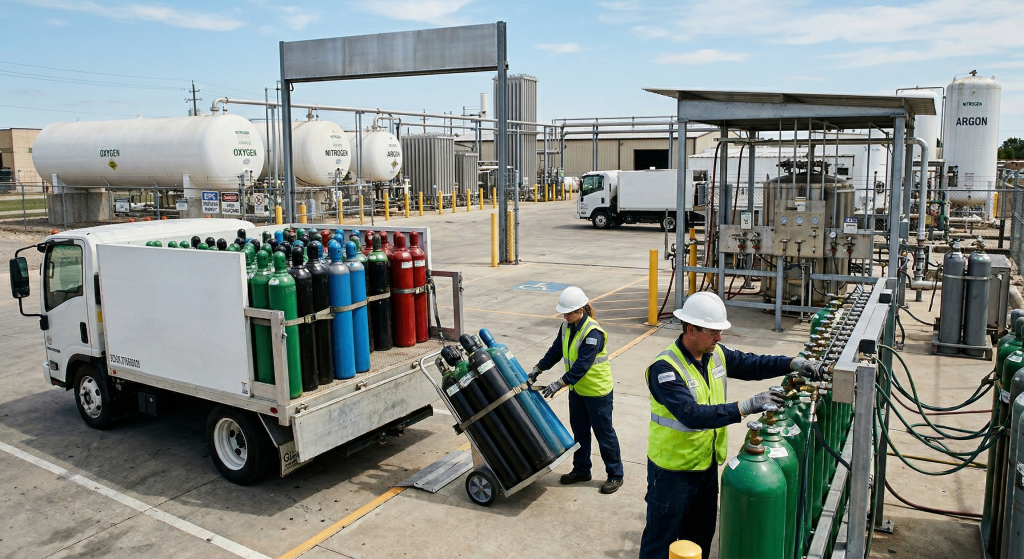
Revolutionizing Precision: How Specialty Gas Solutions Are Solving the Industry’s Purity and Performance Challenge Introduction: The Hidden Power of Speciality Gas Solutions In today’s advanced, data-centric and quality-sensitive industry environment, speciality gas solutions have become the cornerstone of precision. From semiconductor manufacturing to health care, pharmaceuticals and environmental analysis, demand for high-purity gases is a direct catalyst in production efficiency, safety, and quality. But purity, performance, and sustainability challenges also grow with industry evolution — and that’s where forward-thinking speciality gas solutions are making revolutionary gains. What Are Speciality Gases and Why Do They Matter Speciality gases are high-purity gases or gas mixtures and single-component gases that are used for fulfilling important functions in analytical, calibration, manufacturing or research applications. These are not your everyday industrial gases, they are processed to higher quality standards and are in many cases customised for the unique needs of specific users. They work in tight tolerances, and they are reliable. Even in technical applications such as electronics or medical research, a trace-level impurity might result in a bad product or a misleading finding. As a result, the global demand for high-end speciality gas solutions that provide ultra-high purity and high normal stability is on the rise. Purity and Performance: The Industry Challenge As industries grow in size and complexity and new technologies are introduced, keeping gas clean and systems performing well has become an uphill battle. Obstacles facing the industry today are the following: 1. Risks of Contamination: Small contaminants can significantly impact results in analytical laboratories or interfere with the production of sensitive semiconductors. 2. Complex Gas Blends: Many current applications need specialised gas mixtures, which require high-accuracy blending and calibration to attain the required performance. 3. Storage and Transportation Problems: Strong containment systems are needed as is the active monitoring of the gas integrity during storage and transportation. 4. Compliance with Regulations: Rigorous purity requirements for the industries (such as ISO, ASTM, FDA and many more) necessitate sophisticated gas handling and validation schemes. These needs have spurred the development of advanced speciality gas solutions that not only satisfy stringent purity requirements, but also provide improved performance, safety and environmental impact. Modern Speciality Gas Solutions Redefining the Industry in 2025 The speciality gas industry constantly changes, resulting in new gas mixtures to meet customer needs. Speciality gas solutions of the next generation are shaped by the combination of advanced purification technology, intelligent monitoring techniques, and sustainable production concepts. Here’s a look at how these new offerings are tackling the purity versus performance challenge. 1. Advanced Purification and Quality Control Speciality gas purity is no longer expressed in ppm but often in ppb and even ppt. Today’s systems employ multi-stage purification techniques such as molecular sieves, catalytic oxidation and cryogenic distillation to obtain high purity results. An automated gas quality analyser continually reaffirms the composition, making certain that any cylinder leaving the facility is to exact specifications. This process of purification assurance and quality investigation greatly reduces the risk of contamination. 2. Smart Gas Distribution and Monitoring Solutions As for digital transformation, there is no escaping gas management. Sophisticated monitoring systems monitor pressure, flow rate and purity in real-time. Using IoT-enabled gas panels and automatic shutoff valves along with Predictive Maintenance, you can foresee your maintenance needs and avoid any disruption in supply while improving safety at the same time. By utilising data analytics the companies can forecast troubles before they affect production, which will improve efficiency and up-time. These intelligent speciality gas solutions are transforming the way industry customers ensure consistency and reliability in critical procedures. 3. Custom gas blends for unique applications They also serve to illustrate how different the needs of each industry are. Semiconductor manufacturers need ultra-pure gases for etching and deposition and healthcare requires exact medical gas mixtures for anaesthesia and diagnostics. Custom gas formulations – Speciality gas suppliers today take advantage of automated blending systems and precision gravimetric methodologies to blend speciality gases with unparalleled accuracy in custom formulations. These solutions give users the ability to run processes that produce tighter control, higher yield and better performing results. 4. Sustainable and eco-efficient gas production There is now a strong emphasis on being green. Modern speciality gas solutions are green production and recovery processes that emit less carbon and produce less waste. Unused gases are recovered in closed-loop systems and purification plants are powered by renewable energy sources. The trend towards green speciality gas technology not only enables the alignment with company sustainability objectives but it will also secure long-term operational efficiency. Highlighted Industries that can benefit from Speciality Gas Solutions The impact of speciality gases is not confined to labs. The following are some ways that goods and services are helping various industries: Electronics and Semiconductors: Once upon a time employed to assure excellent product quality by thin-film deposition, plasma etching and wafer fabrication. Healthcare & Pharmaceuticals: Makes exact mixtures which follow chilling and then melting points that are extremely tight high purity for X-ray. Automotive and Aerospace: Facilitate R&D test, emissions analysis, and new material development. Environmental Monitoring: Calibration gases help ensure accurate pollutant and emissions compliance detection. Food and Beverage Industry: Keep your products fresh and shelf life long with controlled atmosphere packaging. From innovation to compliance, speciality gas solutions are now a staple of the new era in manufacturing and research. The Role of AI and Automation in Speciality Gas Management The advent of AI-enabled platforms is disrupting gas production and distribution. Predictive analytics can predict gas usage, inventory needs, and when to replace a cylinder. Machine learning algorithms use historical data to minimise waste and increase cost-effectiveness. This leads to improved precision, less downtime and more hours for work, all the while decreasing operating expenses for companies. Automation also improves safety, with intelligent leak detection, automated purge sequences and self-diagnostic sensors minimising the potential for human error. Speciality gas solutions of the future will be seamless combinations of intelligent control and real-time data delivered insights to provide the highest levels of purity and reliability. Global standards – uncompromising quality Leading speciality gas providers are bringing their offerings into compliance with international standards such as ISO 9001, ISO 17025 and FDA cGMP guidelines. Certification leads to consistent quality, repeatability, and customer assurance. In addition, every step of gas manufacturing, blending and testing is now being documented digitally
Cold Innovation: How Liquid Nitrogen Providers Are Powering the Cryogenics and Food Tech of the Future
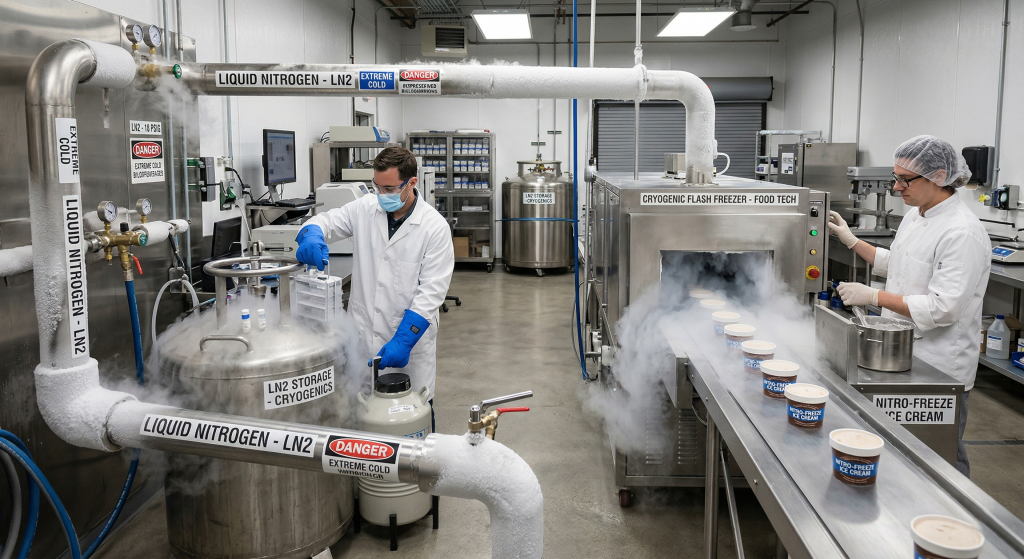
Cold Innovation: How Liquid Nitrogen Providers Are Powering the Cryogenics and Food Tech of the Future Introduction: The Cool Revolution Behind Modern Science and Industry In the era of rapid progress, Liquid Nitrogen Suppliers are the source of many of the most promising leaps in scientific, technological, and culinary innovation. What was once a laboratory chemical, liquid nitrogen (LN2) has become a key component in industries that use extreme cold. Cryogenics, healthcare, food preservation and culinary artistry: a super-cold liquid is maturing as the medium of the future in the most unexpected ways. With growing industrial demands for efficiency, safety and precision, dependable Liquid Nitrogen Suppliers have increasingly become key contributors to breakthrough applications in numerous areas. Let’s take a look at how their services are changing the cryogenics and foodtech industries globally. What Is So Special about Liquid Nitrogen? Liquid nitrogen is simply nitrogen gas that has been cooled to “cryogenic” temperatures. Due to its very low temperature and non-reactive properties, it is also useful in medical applications, industrial processes and food processing. It can freeze material from nature in an instant, cool delicate devices and store biological samples, and it does all this without releasing harmful residue or contaminating the natural environment. But all of this innovation would never have been possible without reliable Liquid N2 Suppliers constantly meeting the stringent purity and handling requirements of a volatile product within the constrained logistics environment. They act as intermediaries between production and application, and make sure that each industry obtains its own particular needs in terms of quality and quantity. Liquid Nitrogen and Cryogenics: Life and Science Preservation 1. Medical and Biological Applications In cryogenics, the science of cold temperatures, liquid nitrogen is widely used. LN2 is utilised in medicine to store blood, sperm, embryos and tissues for long periods of time without spoilage. In the day in the world, successful organ transplantation, reproductive therapies, and genetic research are made possible by the ability to cryopreserve. Hospitals and research labs depend on Liquid Nitrogen Suppliers for a steady supply to power these life-saving initiatives. 2. Cutting Edge Research and Space Science In lab research, liquid nitrogen is necessary for cooling superconductors, infrared detectors and other lab equipment. National space agencies also use it to subject spacecraft parts to an extremely hot and cold temperature environment nearly identical to the cold vacuum of space. Standards of reliability and safety required from a Professional Supplier of Liquid Nitrogen that enables the smooth execution of these delicate experiments. Food science showdown: From the farm to the freezer to the plate Liquid nitrogen has dashed onto the scene in the world of food science. With liquid nitrogen’s capacity to freeze food safely and quickly, it has transformed the food processing, mass manufacturing and culinary landscapes. 1. Food preservation and safety At the same time, liquid nitrogen from Liquid Nitrogen Suppliers is also a product that begins to be consumed. Most importantly, unlike the classical methods of rapid freezing, when the food is frozen for a long time on the plane and deteriorates in proper deteriorations) taste and texture, liquid nitrogen immediately cools the product, forming small ice crystals. Therefore, products are stored longer, and taste, structure, and benefits are preserved. Moreover, liquid nitrogen is also a source of food and a long way of storage, food preserving, and processing. And primarily to eliminate harmful substances and chemicals. 2. Innovative Culinary Techniques Gone are the days when liquid nitrogen was used for its silo freezing in labs. Liquid nitrogen creates ice creams with no ice crystals, permits rapid chilling of ingredients that promise velvet smooth sorbet, sorbets, ice creams, and more. It allows LN2 to generate extraordinary ice creams on its own. Our Liquid Nitrogen Suppliers ensure that chefs are provided with food-grade nitrogen that is safe and easy to handle. This is why the majority of chefs choose to apply liquid nitrogen to modern gastronomy. Industrial Impact: Beyond the Lab and Kitchen 1. Electronics and Manufacturing Liquid nitrogen is used in electronics manufacturing to cool semiconductors, to shrink-fit components, and to clean sensitive surfaces. Its excellent cryogenic performance without residual impact contributes to the maintenance of high-quality production. Reliable Liquid Nitrogen Suppliers are critical in providing the infrastructure and the technical know-how to safely incorporate LN2 technology within the industrial system. 2. Metal Processing and Engineering Cryogenic tempering of liquid nitrogen also has an application to cryogenic tempering, a technique that toughens metals by exposing them to extremely low temperatures. This enhances the wear resistance and life of tools, machines, and automotive parts. Consistent production and uniform performance are made possible by professional Liquid Nitrogen Suppliers who guarantee a steady supply for production and engineering. Sustainability and Safety: The Future of the Liquid Nitrogen Supply An increasing focus on sustainability and safety prompts current Liquid Nitrogen Suppliers to introduce green and energy-saving production. Most liquid nitrogen is produced by atmospheric air distillation, so it’s naturally sourced and non-toxic. The attention is shifting to reducing carbon footprint with new cryogenic plants and efficient transportation. Providers are also focusing on training and equipment safety as well as monitoring systems to allow for safe storage and handling of the product at any point during the process, from production to end use. From small research labs to large industrial facilities, these providers are setting new standards in reliability and safety for cryogenic logistics. How to Select a Good Supplier of Liquid Nitrogen Your choice of supplier will have a significant impact on your performance, safety and regulatory compliance. Factors to Consider: Purity standards: Make sure the nitrogen provider can meet the purity needs of your industry–medical, food-grade or industrial. Delivery system: Make sure the company has established deliveries that allow for dependability in storage, transportation and refilling. Technical support: Select suppliers that provide safety training, maintenance and advisory services. Certification and Compliance: Trusted Liquid Nitrogen Supplier are compliant with global safety and quality standards. Partnering with a trusted supplier helps you maintain consistent quality, reduce downtime and improve efficiency whether you’re working within a single or across multiple applications. Conclusion: Keeping Cool with Innovation and Reliability With the advancement of science, once again Liquid Nitrogen Suppliers will be getting more and more important. Liquid
Fizz Under Pressure: The CO2 Supply Solutions That Make Restaurants Feel Fresh, Efficient and Eco-Smart
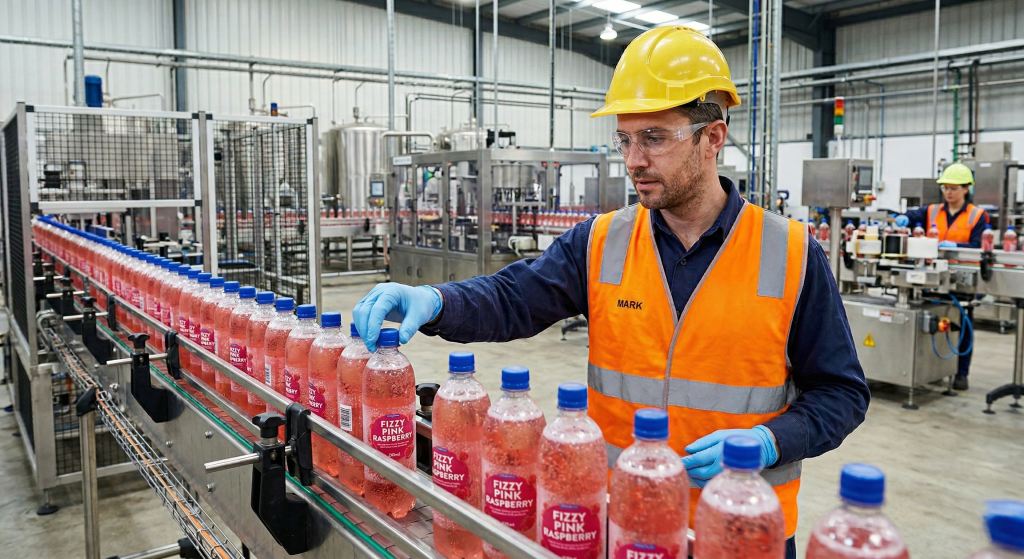
Fizz Under Pressure: The CO2 Supply Solutions That Make Restaurants Feel Fresh, Efficient and Eco-Smart Introduction: The Unseen Hero of Every Perfect Pour Consistency and quality are the name of the game in today’s restaurant business. From the crisp bubbles in your soda to the perfect pressure in your draft beer system, CO₂ (carbon dioxide) is the unseen force that keeps things humming. Although it doesn’t always have to be centre stage, the contribution of the restaurant’so₂ suppliers is vital in keeping things fresh, efficient and eco-smart. With sustainability and dependable performance now taking precedence, restaurants nationwide are investing in innovative CO₂ supply options that do more than simply get gto in the door—they deliver performance, cost efficiency, and environmental practices. Why Should Restaurants Care about the Price of CO₂? If you own or manage a coffee shop, a busy diner, or a restaurant with full service, CO₂ is a key ingredient in many of your day-to-day functions. Beverage carbonation: How do you make bubbles? CO2 is what makes soft drinks, sparkling waters and cocktails fizz – delivering that satisfying perk-up for the customers. Beer dispensing: Draft beer systems utilise accurate CO2 pressure to keep products fresh, ensure appropriate foaming and deliver a steady stream of beer. Food Preservation: CO₂ is commonly applied in modified atmosphere packaging to prolong the shelf life of perishable food, reducing waste. Cleaning & Safety: Food establishments even employ CO2 in cleaning mechanisms or fire suppression systems, improving security and cleanliness. This is a non-negotiable reliable source of CO2. But as energy prices and environmental regulations continue to climb, the right restaurant CO2 supplier could have an impact on your profit margins. The Shift Toward Smarter CO2 Supply Solutions In the old days, many restaurants and home-brewers exchanged cylinders manually—an inefficient and sometimes dangerous procedure that necessitated constant vigilance. Today, the game has changed. Modern CO2 supply systems are more intelligent, secure and eco-friendly than ever before. 1. Bulk CO2 Systems Bulk CO₂ systems deliver a reliable source of gas for the needs of a large production. These systems are smart, they know when to reorder and can even place the order for you or your customers for cylinders and tanks. The effect? No downtime, consistent carbonation, and less employee handling of containers under pressure. 2. MicroBulk and Automated Delivery With automation, MicroBulk tank rentals enable small restaurants to capitalise on some of the convenience of options like MicroBulk, without the expense. Many restaurant CO₂ suppliers now come with telemetry technology—real-time monitoring of supply levels and alerts to suppliers when the levels are running low, ensuring uninterrupted service. 3. On-site CO₂ Generation Some high-tech solutions have even been developed that enable restaurants to generate CO₂ onsite by extracting and purifying exhaust gases from their beverage systems. The breakthrough “not only reduces reliance on delivery but also significantly cuts carbon emissions. Efficiency and Safety: Two Compelling Benefits CO₂ delivery isn’t just about keeping the bubbles alive — it’s also about operating a safer, more efficient kitchen and bar. Lower labour costs: Since staff don’t need to monitor tank levels or order replacements, labour is reduced with automated systems. Safer: Bulk systems do away with the repeated lifting and hooking up of heavy cylinders. Consistent Quality – Proper CO₂ levels maintain taste and carbonation, so each and every drink can be consistent with your brand. Regulation Compliance: CO₂ systems approved and tested to elevate the restaurant’s compliance with all safety standards. So it makes sense that efficiency and safety should go hand in hand.” Working with knowledgeable restaurant CO2 distributors will help guarantee your system is compliant with local codes as well as being the most productive. Eco-Smart CO₂: The Service Sustainability Equation Sustainability isn’t a choice—it’s the expectation. With increasing demands on restaurants to minimise their carbon footprint, the CO2 supply has an unexpected part to play in that quest. New suppliers are turning their attention to carbon capture and recycling technology to recover CO₂ from industrial processing, purify it, and reuse it in food-grade solutions. This kind of closed-loop system minimises waste and creates a cleaner environment. More suppliers already offer: Recycled sources of CO₂ instead of creating new gas. Energy-efficient delivery systems that reduce emissions from transportation. Lose minds that prevent unnecessary loss of CO₂. By teaming up with more environmentally friendly suppliers, restaurants can now confidently tout their sustainability achievements to diners — a major point of differentiation in today’s cutthroat dining landscape. How to: Find the Best Restaurant CO₂ Supplier Choosing a CO2 provider isn’t only about cost — it’s about dependability, safety, and value over time. Here is what you should look for in your supplier: 1. Reliability and Reputation Find providers that are experienced in the food and beverage industry. Read reviews, ask for references, and verify their history of on-time deliveries and quality. 2. Safety Certifications Are Your Suppliers Certified? Make sure that your vendor meets all the necessary safety standards, including those of the OSHA and FDA for food-grade gases. 3. Scalable Solutions You may expand your restaurant — and we’d like you to grow. Versatile supply options (cylinders, bulk systems) work best when the business is expanding. 4. Smart Technology Integration Leading restaurant CO2 providers now allow remote monitoring, leak alerts, and autopilot scheduling of refills. These intelligent solutions let you stay focused on your customers — not your gas levels. 5. Sustainability Practices If your restaurant embraces green efforts, that goes best with a provider that has a commitment to carbon-neutral delivery, recycled CO2 sources, and less waste. A Guide to Selecting the Best Restaurant CO₂ Vendor Choosing a CO₂ partner is about more than just the price — it’s about dependability, safety and long-term value. Here are a few tips on what to look out for when selecting a supplier: 1. Reliability and Reputation Seek providers who are established & have expertise in food and beverage. Check reviews, ask for references, and verify their history of on-time deliveries and product consistency. 2. Safety Certifications Be sure your provider meets the necessary safety standards, such as those of the OSHA and the FDA for food-grade gases. 3. Scalable Solutions Your restaurant may grow—so your CO₂ system should be able to scale with you. Flexible supply options (cylinders, bulk systems etc.) are perfect for small companies that want to expand.
Never Run Out of CO₂: A Simple Guide for Restaurants
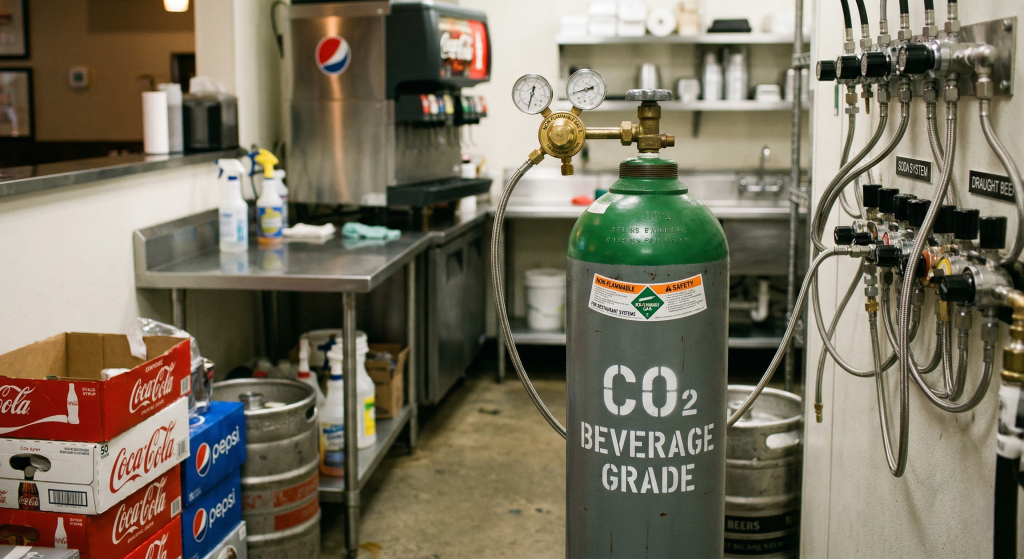
Never Run Out of CO₂: A Simple Guide for Restaurants For any restaurant serving draft beer or fizzy drinks, having a steady supply of CO₂ is crucial. Running out isn’t just a small problem—it means lost sales and unhappy customers. Many suggest switching to a micro-bulk CO₂ tank to avoid this. But what if this “premium” choice is actually costing you more, wasting gas, and making things harder for your business? The Truth: Micro-Bulk Tanks Are Too Expensive for Most Small and Medium Restaurants You are being sold on the notion of getting more storage space. But there’s a way that’s better, less expensive, and more reliable. When you use standard CO₂ cylinders with smart technology, you can keep your business running smoothly—without the overhead of bulk storage. Here’s why micro-bulk tanks often don’t work well and how using 20lb and 50lb CO₂ cylinders with CO₂ monitoring systems is a smarter choice for restaurants. The Downsides of Micro-Bulk Tanks Micro-bulk tanks (holding 300-1,000 pounds of CO₂) are marketed as an easy upgrade for busy sellers because they need fewer deliveries. But for most restaurants, the drawbacks outweigh this one benefit. Main Issues with Micro-Bulk Tanks: Wasting Gas When Refilling: The biggest hidden cost is gas loss. When refilling, the delivery driver has to release some liquid CO₂ into the air to keep things safe. Industry reports say this wastes 30-50% of your gas, meaning you lose a big part of what you pay for every time. High Setup and Space Costs: These tanks need a permanent outdoor spot that takes up valuable space you could use for food prep or storage. They also cost more to set up and maintain compared to cylinders. Too Large for Most Needs: Unless you run a large brewery or bottling plant, your CO₂ needs are steady but not huge. Micro-bulk tanks force you to buy significantly more than you actually use, making the system expensive and inefficient. A Smarter Choice: CO₂ Cylinders for Restaurants Most food businesses do better switching sideways to standard CO₂ cylinders. This system is flexible, cuts waste, and fits how restaurants usually operate. Why CO₂ Cylinders Work Better: Less Waste: Since cylinders are pre-filled and exchanged when empty—unlike with refilling, no gas goes to waste. You are only charged for the gas that you use. 20-pound cylinders suit small bars, cafes, or homes with low beverage sales. 50-pound cylinders work well for busy restaurants or bars with multiple lines needing a longer supply without heavy lifting. Flexible and Low Commitment: Cylinders take up little space, need no fixed installation, and let you easily adjust your supply based on seasonal demand. No long contracts are locking you into equipment you don’t fully use. Right Size Options: Pick the cylinder size that fits your needs perfectly Coordinated Efficiency: The Benefits of Modern CO₂ Cylinder Delivery One common worry about cylinders is running out unexpectedly. The old way meant regularly checking gauges and rushing to order emergency refills. Now, CO₂ cylinder delivery for restaurants is a managed service that offers convenience and peace of mind. How Modern Delivery Works: Your supplier knows how much you usually use. They set up a delivery schedule so you always have an extra cylinder ready. When a tank empties, it’s exchanged for a full one on a routine visit. You don’t have to worry about monitoring your inventory, and your employees can concentrate on serving customers rather than checking gas levels. The Big Improvement: CO₂ Telemetry Systems The weather can’t stop your deliveries now thanks to new technology that helps make sure you never run out. CO₂ telemetry systems have changed how restaurants manage their gas supply. What is CO₂ Telemetry? It’s a small wireless sensor attached to your CO₂ cylinder. It continuously monitors the gas level and sends the data to an online platform. Benefits of CO₂ Telemetry Systems: End of Manual Monitoring: Staff no longer need to check their gauges because the system runs 24/7. Stay Stocked Up Mid Shift: The system alerts your supplier automatically when your gas supply is running low so you get more before you run out, avoiding downtime. Convenient Access and Peace of Mind: You can monitor your CO₂ consumption 24/7 from a phone or computer with a full breakdown, reassuring you that everything is running smoothly. Micro-Bulk vs.Cylinders: A Simple Cost Comparison Let’s take a quick look at the key differences to make your choice easier. FEATURES MICRO-BULK TANKS CO2 CYLINDERS WITH TELEMETRY Gas waste (venting) High ( 30%-40% loss) Zero Upfront cost High Low Space requirement Significant footprint Minimal footprint Rust of running out Low (costly) Extremely low (proactive) Operational hassle Requires specialised maintenance Simple swap and go Best for Industrial-scale operation Restaurants, bars and cafes Conclusion: Reliable CO₂ Without the Extra Cost Running out of CO₂ is every restaurant owner’s worst fear. But avoiding this doesn’t mean you have to spend a lot on a big, wasteful system. For most places, a simpler, more focused solution works much better. Choosing the right CO₂ cylinder size for your restaurant and working with a supplier that offers smart delivery tracking is a great choice — giving you a reliable supply, no wasted gas, lower costs, and peace of mind. Don’t pay for storage you don’t need. Switch to an efficient, modern way to manage your CO₂ and keep your drinks flowing smoothly.
Nitrogen Gas Supplier Secrets: Crafting Perfect Nitro Beer & Nitro Cold Brew
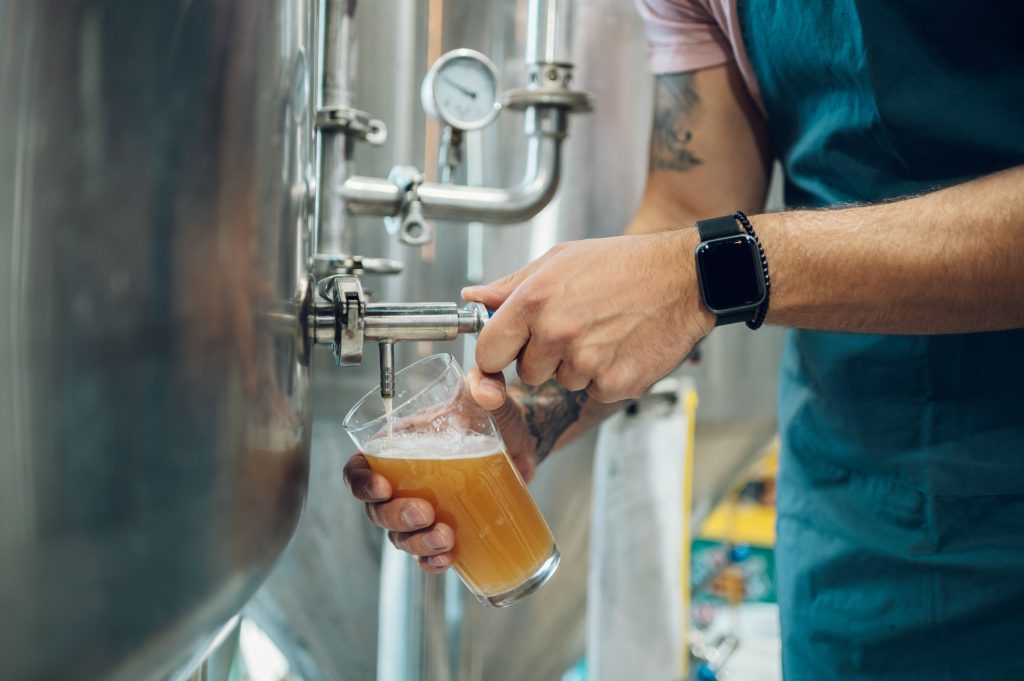
Nitrogen Gas Supplier Secrets: Crafting Perfect Nitro Beer & Nitro Cold Brew In the highly competitive markets of craft brewing and specialty coffee, consumer loyalty is the mainstay and it is won by regular and continuous innovation. Although impeccable ingredients are essential, the unique secret of the most unforgettable ways of pouring lies in the gas. New day, new hero, step aside, CO2. Nitrogen of food-grade quality is bringing a new era to beverage dispensing, allowing for the creation of smooth textures and pure visual appeal that the customers simply cannot resist. As a result of being a first mover, the hospitality businesses, such as breweries, coffee shops, and bars that rely on a professionally managed nitrogen gas supply, become the ones to enjoy today and tomorrow, the nitrogen gas delivery of their premium experience. Why Nitrogen? The Science Behind the Smoothness For a long period, carbon dioxide was the main way used for drinks to be carbonated. It gives a strong sharp, bubbling smell that characterizes most beers and sodas. On the other hand, the use of nitrogen offers better results in some cases and different results in others, which altogether makes N2 unique over the rest of the beverages. It all comes down to solubility. Nitrogen has a much lower solubility in liquids as compared to carbon dioxide. Due to this major difference, the tiny, fine bubbles are generated as the nitrogen is dissolved in the liquid, unlike in the case of carbon dioxide where the larger, more aggressive bubbles are produced. The outcome? The bubbles that are settling offer a “cascade effect,” which is quite visually appealing, and at the same time, the drink is given an incredibly smooth mouthfeel and a thick, creamy head. The beauty of this change process can be seen in everything from dark stouts to cold brew coffee and is capable of turning a regular drink into one of high quality. Transforming the Tap: The Power of Nitro Beer The craft beer world has gone all-in on nitrogen infusion. Even though it is not suitable for every style of beer, nitrogen is the perfect one to improve the properties of stouts, porters, cream ales, and some IPAs as well. Breweries can get these great, really impressive, and consistent results by using the appropriate beer gas blends from their beverage gas solutions partner. Main Advantages of Nitro Beer: Unique Creamy Mouthfeel: Nitro brings a soft and creamy texture to the beer that provides a fuller taste and appearance of luxury. Palate Balanced Beer Flavored: Nitro activates the beer & intensifies the assault on your taste buds so you can experience the full flavor of this chilled coffee without being overwhelmed by bitterness and sweetness, or furthermore, roastiness. Breathtaking Visual: The beautiful “cascade” – or bubbles falling down the side of a glass to form a tight but creamy head is certainly picture worthy. A Competitive Edge: Having a unique nitro tap can be your business’ selling point, attracting new customers by making them wonder about the product and then through loyalty. Nitro Cold Brew Coffee: A Game-Changer for Cafés The nitrogen revolution is not limited to breweries. Nitro cold brew is now one of the essentials in coffee shops that offer a premium, convenient, and ready-to-drink product to their customers who are eager to try new things. The combination of cold brew coffee with food-grade nitrogen made for a very successful product: naturally sweet and incredibly smooth with a texture close to that of a well-poured stout. Why Nitro Cold Brew is popular: Naturally Creamy, No Dairy Required: The mechanics of the infusion creation result in a silky smooth texture, but without milk and sugar, it is attractive to your health-conscious and Vegan consumers. Better Flavor: Nitrogen cold brew can make your coffee have a smoother, richer taste, and it removes bitterness from the drink. Premium Feel: Served off tap gives a cascading effect and a creamy head that makes nitro cold brew an appealing upscale product —that you can justify charging more money for. Beyond Beer and Coffee: Gas Solutions for Innovative Beverages The versatility of nitrogen is usable further than alcohol and coffee. Bartenders these days are getting wild with nitrogen—seriously, they’re tossing it into cocktails to give them this wickedly smooth fizz. You’ll even spot restaurants hopping on the trend with nitro teas and all kinds of fancy sodas. And hey, it’s not just about cocktails. Lots of places mess around with their draft systems, mixing up nitrogen and CO2 to pour certain beers just right from the keg. It’s kinda like science class, but way tastier. A legit nitrogen gas supplier isn’t just tossing tanks your way—they’re hooking you up with gas setups that actually fit your specific draft system. Not all gas is created equal, you know? Picking the Best Nitrogen Gas Supplier: 5 Things That Actually Matter Let’s be real: If your gas is sketchy, your nitro brews are gonna taste off. So yeah, who you buy from? That’s a big deal. Food-Grade Purity Certification: Don’t mess around—make sure they’ve got legit food-grade certification. If they can’t prove it, walk away. Nitrogen that has not been certified can contain impurities that affect taste, or worse, impact safety. Reliability and Delivery: A supplier that can consistently and quickly deliver your cylinders, should become your best friend. A broken supply chain could completely eliminate your nitro sales. Customization and Knowledge: Pure N2 should not be the only aspect of your supplier to consider. You’ll want to work with a supplier that can blend beer gas for you and advise you on the right N2 ratio for your beverages. Experience: Make sure your vendor has experience in food and beverage. These are the kind of experiences that can help you with your system setup and debugging. Safety: You’ll need a source with established digital safety procedures and accessibility in case something goes wrong. The Future is Nitrogen-Infused What started as a niche trend has become an expectation for the
The Silent Partners of Progress: How Industrial Gases Power Our World
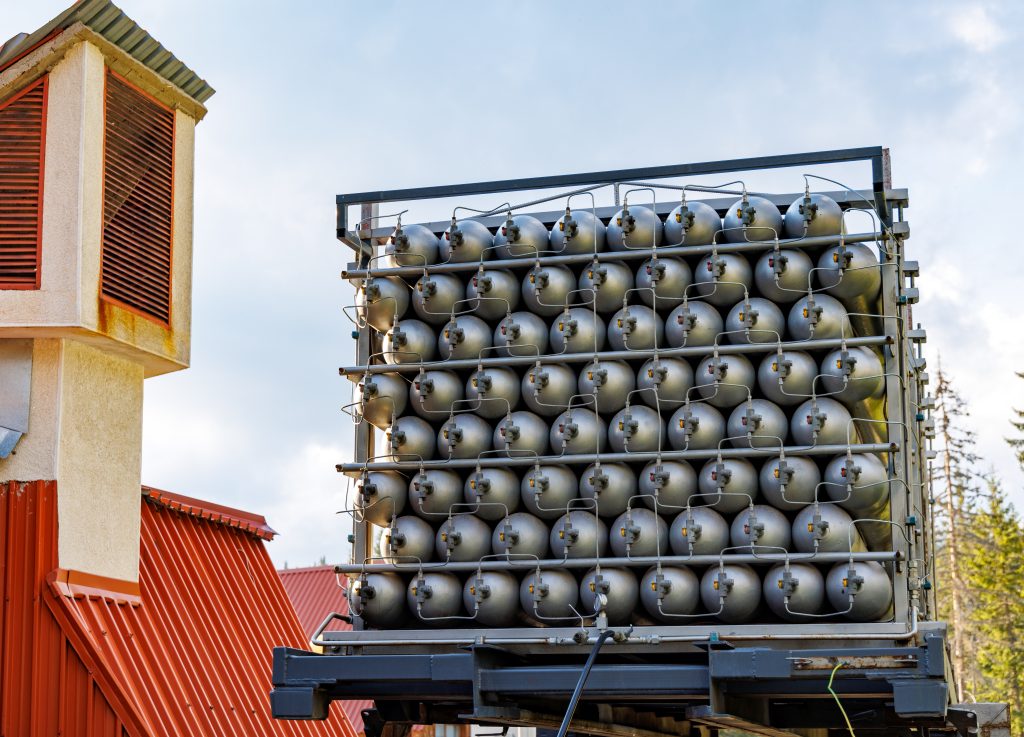
The Silent Partners of Progress: How Industrial Gases Power Our World Do you enjoy fizzy drinks? Or frozen vegetables? What about MRI scans that help save a life or the computer chips in your phone? Can you imagine not having any of them? This isn’t easy to imagine, but none of these could have ever been created – – without a group of invisible modern-day heroes – industrial gases. Industrial gases are the unsung heroes of manufacturing, health care, and technology. These remarkable gases are the hidden drivers of processes that drive our modern world. This guide will provide you with a better understanding of the top five industrial gases: Carbon Dioxide (CO₂), Nitrogen, Argon, Helium, and Propane. We will set forth on an engaging journey of these gases and their integral role in categories of industries, all the while discussing the importance of having a single trusted industrial gas supplier for any organization that requires precision, safety, and efficiency. 1. Carbon Dioxide (CO₂): The Versatile Generalist When the average person hears “CO₂,” they would quickly refer in their thoughts to the environment, almost always without thinking about its other identity. In its purified industrial form, it has a lot of versatility. A dependable supplier of CO₂ gas is a top ally for a multitude of different industries, from the kitchen to the oil field. Where CO₂ Makes a Difference: Food & Beverage: From Fizz to Fresh: This is where we most frequently encounter CO₂. It’s the magic ingredient that gives soda and beer their bubbles. Its role goes well beyond carbonation. Modified atmosphere packaging (MAP) utilises CO₂ to displace oxygen from the surroundings of fresh meat, poultry, and baked goods to retard spoilage markedly as well as extend the product shelf life. And of course, dry ice (solid CO₂) will keep everything from gourmet ice cream to life-saving pharmaceuticals frozen in transit without the mess associated with meltwater.. Healthcare and Pharma: A Potion for Healing and Purity: In the operating room, CO₂ is used to gently inflate organs and body cavities during laparoscopic surgery to aid surgeons in visualizing and interacting with the operating field. In pharmaceutical laboratories, CO₂ is a super-efficient and clean solvent that extracts active compounds from materials used for medication, leaving no hazardous residues behind. Energy and Metalwork: Powering Extraction and Construction: In the energy sector, CO₂ is injected into aging oil fields in a process known as Enhanced Oil Recovery (EOR), pushing out crude oil trapped in the rock. In workshops and fabrication facilities everywhere, it’s also an inexpensive part of shielding gases for MIG welding, preventing the molten metal from re-oxidizing while creating strong, vigorous, and ideally clean welds. For these and other applications, the reliability offered by a certified CO₂ gas supplier is critical. Whether for these applications or otherwise, the consistency of a certified CO₂ gas supplier is not optional. 2. Nitrogen: The Inert Guardian of Quality Dominating the air we breathe, nitrogen’s great attribute is its stability. Because it does not readily react with other materials, it is the perfect arbiter for preventing decay and contamination. No wonder a reputable nitrogen gas supplier is needed. Key Requirements of Nitrogen gas: Preservation of Food and Composition of Texture: By removing oxygen from food packaging, nitrogen slows oxidation processes from occurring, which is responsible for chips going stale and fats going rancid. This one action extends thousands and thousands of products, and in beverages, nitrogen infusion creates the desirable texture described as smooth and creamy “mouthfeel” in nitro cold brew coffee, some stouts, and other beer styles. Protecting Pharmaceuticals and Electronics: Sensitive drugs and vaccines are produced in environments that are fully dry and free of oxygen. These environments are excruciatingly dry. In the case of electronics fabrication, ultra-high-purity nitrogen is used to provide a protective layer against microscopic oxidation during the manufacturing of semiconductors, which allows the tiniest of circuits to operate. Industrial Safety: For nitrogen tank and pipeline purging, the chemical and petrochemical industries are provided with nitrogen as it is cheaper than the cost of a human life, as it provides controlled safety and purging of such systems that contain flammable gas. A high-purity nitrogen gas supplier is a silent partner ensuring safety and quality control. 3. Argon: The Specialist’s Go-To Gas for Precision. Being a noble gas, Argon is completely inert. The fact that it rarely forms any compound makes it a gold standard for any applications with the slightest potential for a chemical reaction. For high-stakes industries, the need for an expert supplier of argon gas is mandatory. Use Cases of Argon: Perfect Welding Accomplishment: Argon is an inert gas used as a shielding gas. It is for use in TIG welding, aluminum welding and stainless steel welding. As Argon is inert, the weld is not contaminated and so it’s strong, good quality as well as polished, without any defect. Production of Electronic and High-Tech Devices: The production of pure silica and germanium semiconductor crystals should be made in an inert atmosphere, and the presence of even very small amounts of an active gas such as oxygen will lead to the destruction of the crystal. Incandescent and Fluorescent Lights: Argon gas is used in incandescent and fluorescent lamps to prolong the time a hot tungsten filament will burn. Argon is used as a carrier gas in analytical lab instruments, for instance, chromatographs. Specifying perfection, Argon from a trusted supplier is the purest and cleanest source to work with when perfection is the only option. 4. Helium: The Coolant for the Latest Innovation Helium is more than a gas for balloons. Its wonderful applications, particularly its low boiling point, make it invaluable for technology and modern-day medicine. With helium being a scarce resource, having a stable supplier is all the more valuable. Key Uses of Helium: Cool superconducting magnets for MRI machines: Most liquid helium is not in fact used in amazing