
Argon Gas Purity Levels Explained for TIG & MIG Welding Applications
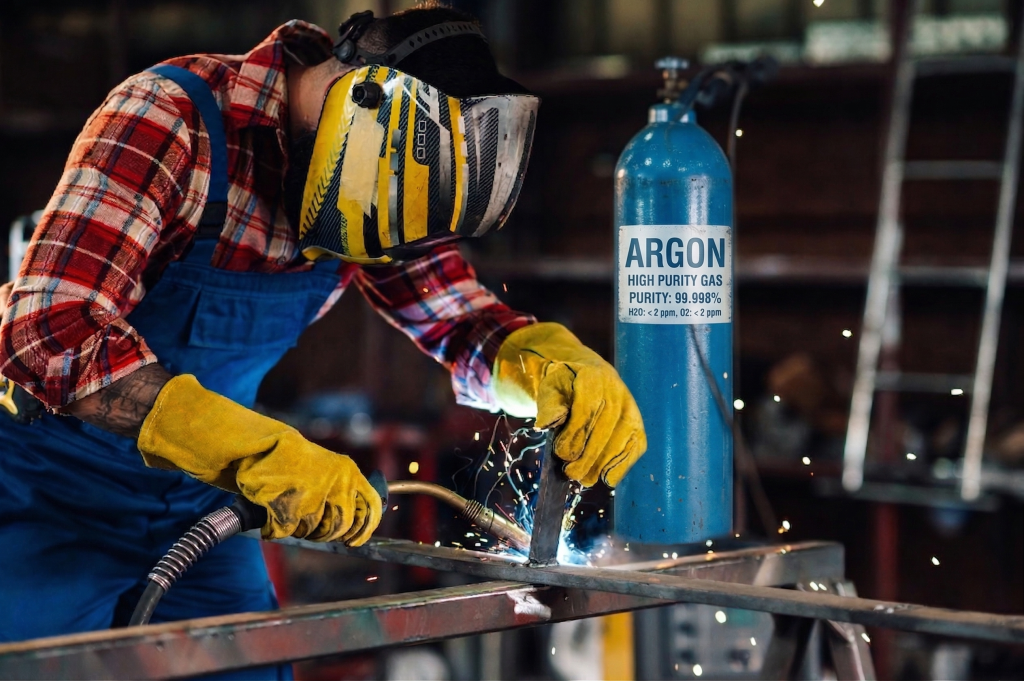
Argon Gas Purity Levels Explained for TIG & MIG Welding Applications Introduction: Argon Gas is one of the most used shielding gases in modern-day welding processes. It is used in both TIG and MIG welding to protect the weld pool from atmospheric contamination. It should also be noted, though, that not every argon has the same performance characteristics. The quality of argon and the kind of gas mix that is used can affect weld quality, arc stabilisation, and also how productive you are at welding. A clear understanding of these factors will help welders choose the best shielding gas for their situation. Selecting the right gases can improve weld appearance, reduce defects, and reduce rework. This, in turn, ensures a more efficient and reliable process during the welding job. Why Argon Purity Matters in Welding In the welding process, the molten weld pool is readily exposed to ambient environmental elements, such as oxygen, nitrogen, and moisture. If these gases enter the weld pool, they may cause defects and reduce weld strength. Shielding gas protects the weld by creating an enclosure around the arc and molten metal. The widespread use of argon is due to its inertness and its inability to react with molten metal. Still, its efficacy depends on purity. Pollution of argon may cause porosity, oxidation, unstable arcs, irregular morphology of beads, and poor welds, so the quality of welds should not be affected at all due to the purity of the gas. Common Argon Purity Levels Used in Welding The purity of argon is commonly described as a percentage, which is the ratio of pure argon to impurities. Even small changes in purity can affect welding results. 99.5% Argon (Industrial Grade) This grade of argon is used in the traditional industrial applications where cost-effectiveness is critical. It can be used for simple MIG welding of mild steel, but at higher levels of impurities, it is likely to cause porosity or irregular bead formation, making it unsuitable for precision welding. 99.9% Argon (High Purity) Pure argon (99.9%) is a standard of professional welding. It helps with MIG welding and simple TIG, offering better arc stability and good, uniform weld beads, and with a lower chance of contamination, it is a reliable welding tool in fabrication, automotive, and manufacturing practices. 99.995% Argon (Ultra High Purity) Ultra-high-purity argon is used for some of the most stringent TIG welding when weld quality matters. It protects delicate metals like stainless steel, aluminium, and titanium by reducing contamination, boosting arc stability, and reducing discolouration, making welds cleaner and stronger. 99.999% argon (speciality or research grade) Such a high purity is typically used in specialised fields such as aerospace manufacturing, nuclear fabrication, and research labs. As these settings are highly demanding, even slight quality issues can endanger structural integrity. Although it offers a high level of purity and excellent performance, it is not normally required for typical commercial welding work. Pure Argon in TIG Welding Stability of the arc and fine control of the weld pool are necessary in TIG welding. The shielding gas of choice is pure argon, which produces a smooth, stable arc and supports better heat management. It facilitates the production of clean weld beads and is especially useful for materials such as aluminium, stainless steel, and magnesium, where accuracy is key. As TIG welding is about quality rather than speed, the purity of the gas is particularly important for producing uniform results. Argon Blends for MIG Welding Whereas pure argon is effective in TIG welding, gas blends containing argon are often useful in MIG welding. These mixes are argon mixed with ancillary gases, e.g., carbon dioxide, helium, or oxygen, to achieve desired performance characteristics. The type of blend used may affect penetration, spatter level, arc stability, and welding speed. Argon and Carbon Dioxide Blends MIG welding heavily utilises argon-carbon dioxide blends. The most common one is 75 per cent argon and 25 per cent carbon dioxide (C25), which offers an adequate balance between arc stability and penetration with mild steel. These blends increase penetration, increase welding speed, and reduce spatter. Other formulations are 90/10 cleaner bead, 95/5 spray transfer, and 98/2 automotive and sheet metal. Argon and Helium Blends It is sometimes added to argon to increase arc heat and have a more fluid weld pool. This makes argon-helium mixtures beneficial for welding high-conductivity metals such as aluminium and copper. These blends provide deeper penetration, higher welding rates on heavier substrates, and enhanced fusion. Common ratios include 75/25 and 50/50 of argon and helium, with higher helium percentages used for thicker materials. Argon and Oxygen Blends In certain MIG welding applications, argon may be added in small amounts to reduce the oxygen content. As a rule, the oxygen concentration is between one and five per cent. These blends are commonly used when welding stainless steel, as oxygen helps stabilise the arc and improve the flow of molten metal over the weld joint. The result is smooth weld beads and enhanced wetting behaviour. In contrast to carbon dioxide, oxygen is not a source of carbon contamination, which makes it suitable for use in stainless-steel applications. Rethinking Traditional Gas Choices The same shielding gas combination has been used in many welding operations for years without questioning alternatives. Although this seems to be a sure method, it can reduce welders’ quality and productivity. As technology and material advances in welding, older gas types might no longer be the most effective choice. The assessment of different gas purities or blend ratios might improve weld appearance, reduce spatter and cleanup time, increase welding speed, and improve mechanical strength. The slightest change in shielding gas composition can significantly improve welding. A Practical Method for Selecting Shielding Gas Instead of making dramatic alterations, a stepwise approach can be superior for evaluating shielding gas. The welding teams must start by identifying the applications where weld defects or inconsistencies most often occur. Once these areas are detected, the current shielding-gas setup, in terms of purity and mix ratio, will
How Breweries Use Nitrogen Gas for Beverage Dispensing & Storage Stability
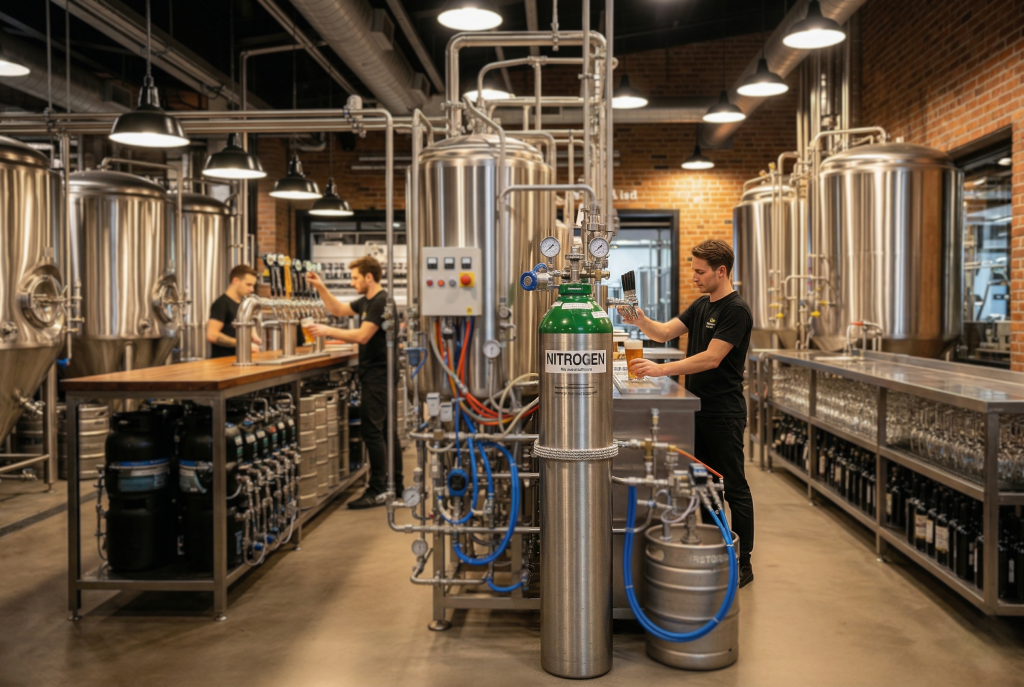
How Breweries Use Nitrogen Gas for Beverage Dispensing & Storage Stability Introduction: Contemporary breweries pay close attention to quality, uniformity, and shelf life. Each step in the brewing process – fermentation, packaging, and dispensing – is part of the overall sensory experience the consumer undergoes. Nitrogen gas is one of the most important devices that allow breweries to maintain these standards. The high use of nitrogen in the beverage industry is due to its nonreactivity, stability, and effectiveness in inhibiting oxygen-related contamination. In the brewing process, nitrogen is used for product dispensing and for storage stability. Combined, these applications enable breweries to provide beverages that maintain uniform taste, desirable texture, and a longer shelf life. The Role of Nitrogen in Modern Brewing Operations There are two critical roles of nitrogen in breweries. First, it is added to the beverage dispensing systems to achieve a creamy texture that is smooth and light, as befits nitro beers and similar beverages. Second, it is used during production and storage to protect the beverages against oxygen. Though the most frequent application of nitrogen is dispensing in taprooms and bars, its safeguarding role in the production process is equally crucial. Breweries rely on nitrogen to maintain product stability during fermentation until packaging. Nitrogen Gas in Beverage Dispensing The nitrogen-based dispensing technology offers an alternative drinking experience compared to conventional carbonated beer. Nitro drinks are dispensed with a mixture of nitrogen and carbon dioxide, rather than CO₂ alone. Nitrogen also produces very fine bubbles that yield a thick, creamy foam and a creamy mouthfeel, along with the characteristic cascading effect on pouring. Since nitro beers have a lower degree of carbonation, they provide a smoother flavour and make the malt and flavour notes more pronounced. Although stouts were the first nitro beers, breweries now make nitro porters, IPAs, coffee stouts, and cold-brew drinks. It requires nitrogen or mixed-gas cylinders, elevated-draught arrangements, and restrictor-plate faucets to produce the nitro effect and operate these systems. Nitrogen Gas for Storage and Product Protection Though dispensing is a visible phenomenon, the most important role of nitrogen is often performed behind the scenes. Oxygen is one of the greatest threats to product quality during the brewing process. Oxidation can be caused by oxygen, leading to flavour loss, stale aroma, and losses in shelf life. The slightest amounts of oxygen added during production may affect the drink’s ultimate flavour. This is solved by using nitrogen, which is chemically inert. It does not interact with the drink and does not change its taste. Rather, nitrogen replaces the oxygen in tanks, pipes, and containers, thereby creating a protective atmosphere for the product. Nitrogen is utilised by breweries at various points in production to prevent oxidation and ensure stability. Tank Blanketing Storage vessels and fermentation tanks normally have little headspace above the liquid. When oxygen is introduced into this space, it slowly dissolves into the beverage. This risk is prevented by nitrogen blanketing, which introduces nitrogen gas into the headspace to create a barrier that blocks oxygen and safeguards the product throughout the fermentation, conditioning, and storage processes. Line Purging Lines and hoses in the brewery may have trapped oxygen before product flow begins. Provided that oxygen is introduced during the transfer of oxygen into the beverage, it may negatively impact flavour stability. Breweries address this problem by cleaning lines with nitrogen, then moving products, which eliminates oxygen and prepares the system for a clean transfer. Tank Purging Before Filling Breweries often clean a vessel with nitrogen before filling it with beer or other drinks. This will remove all air from the tank and prevent oxygen contamination of the product at the start of the filling process. Packaging Purge During packaging, nitrogen is also used. After filling, many breweries wash cans and bottles with nitrogen to eliminate oxygen and extend the product’s shelf life as it is stored and distributed. Why Nitrogen Has Become More Important for Breweries The beverage market has also changed significantly over the last 10 years. Many breweries are producing a wide variety of products beyond traditional beer styles, such as hard seltzers, hard teas, flavoured malt beverages, and other light alcoholic beverages. These drinks are more sensitive to oxidation than darker or stronger beers. Even the slight difference in flavour can be detected in light drinks. Therefore, breweries will be required to be more careful about the amount of oxygen present during production. One factor that helps breweries attain this level of control is the presence of nitrogen. Nitrogen is used to package goods because it removes oxygen, which can degrade flavour and brand identity. Managing Nitrogen Supply in Brewery Operations Because nitrogen is used across various production phases, breweries should have a steady supply. The demand may change according to the brewing schedule, packaging, and transfer activities. Other breweries rely on nitrogen cylinders, which are appropriate for smaller companies or minimal nitrogen consumption. Breweries with higher production volumes might, however, have the advantage of bulk nitrogen systems, which can offer greater capacity and efficiency. Large supplies of nitrogen-causing agents minimise the need for frequent cylinder replacements and promote regular production cycles. Good supply management is of great importance, especially during peak production periods when nitrogen demand is highest. Conclusion Nitrogen gas is a very essential component in modern breweries. Nitrogen improves the polished texture of nitro drinks and protects product quality during fermentation, transfer, and packaging, enhancing customer and production efficiency. As breweries diversify into new beverage types, controlling oxygen exposure is most critical. Nitrogen provides a consistent, effective method of retaining flavour stability, extending shelf life, and delivering a high-quality, consistent product to consumers. To breweries concerned with quality and innovation, nitrogen is not a utility gas; it is a vital ingredient in the brewing process. Rudy De La Fuente Linkedin Author Rudy De La Fuente, founder of Southwest Gases, has over 16 years of experience in the industrial gas industry, including time with Air Products. He started Southwest Gases to put customers first—offering clear pricing, honest
Emergency Propane Delivery in Dallas & Houston: What Businesses Must Prepare For
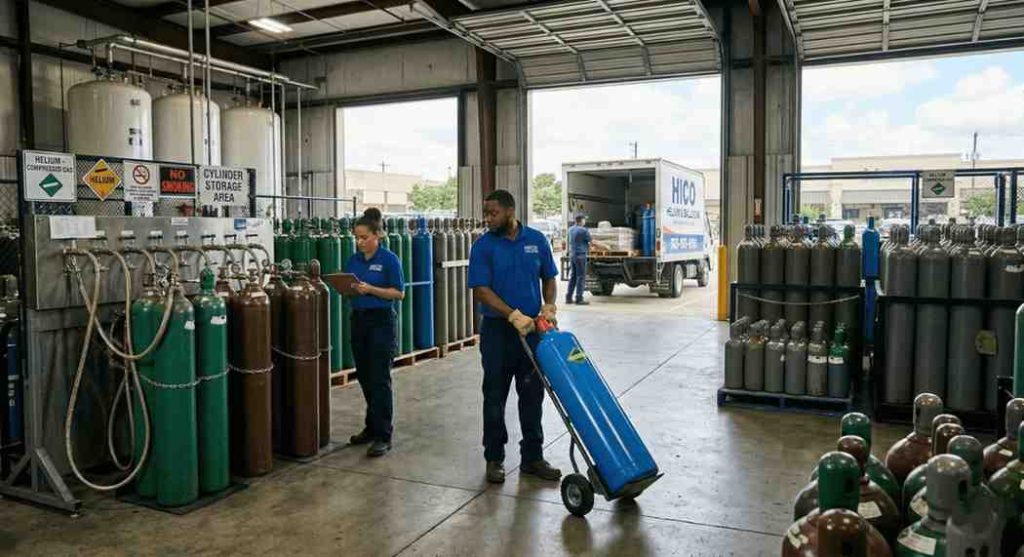
Emergency Propane Delivery in Dallas & Houston: What Businesses Must Prepare For Introduction: To many commercial and industrial users, propane is more than just a utility; it’s an essential component of daily operations. Restaurants cook with it, warehouses run their forklifts on it, and manufacturing plants rely on it to keep production lines humming. There is a little more at stake when the propane supply runs out unexpectedly. It can shut down an entire operation. Companies in Dallas–Fort Worth and Houston see that risk materialise each year. Weather changes, operational changes, and supply delays can turn a manageable propane situation into an emergency. Organisations need to expect to have an adequate supply of propane available before they reach their limits. Being aware of propane shortages and planning for deliveries can help organisations avoid millions of dollars in lost production time and reduce operational pressure from employee and vendor disruptions caused by insufficient propane availability. Why Propane Runouts Occur Tank runouts rarely occur because fuel levels are ignored. Most shortages arise from unforeseen demand or business interruption. When the weather changes rapidly (like a cold front moving through North Texas) and propane consumption for heating increases, the supply is depleted faster than anticipated. Operational reasons apply as well; factories can increase production, and restaurants might have more propane during busy seasons or special occasions. Monitoring failures. There are also many reports of false monitoring, where gauges or entire systems fail to notify teams of empty or low tanks. For these reasons, propane use can spike rapidly, leading to tanks being depleted faster than companies expect. The Importance of a Reliable Emergency Response But when propane levels are too low, a business needs a provider that can deliver quickly. But not all providers can treat emergencies. Many big firms adopt set delivery routes to get the routine work done as efficiently as possible, which can hamper flexibility in emergencies. If a company requests an urgent propane refill, there are times when its propane supplier does not have a truck delivering propane in the area to provide an instant refill to the customer. The delay caused by waiting for scheduled deliveries or refills creates problems for propane-dependent businesses, potentially interrupting business operations, affecting equipment performance, and negatively impacting customer service. Thus, suppliers’ responsiveness when an urgent refill request is made should be an important consideration in selecting a supplier. Dallas–Fort Worth and Houston: Unique Logistics Challenges Both Dallas-Fort Worth and Houston are large commercial centres in Texas, but each area presents unique challenges when it comes to delivering propane. Dallas–Fort Worth Market Dallas-Fort Worth is a large, sprawling area with companies located in several different cities and industrial areas. When a propane supplier lacks nearby sites, delivery vehicles often cover greater distances from distant holding centres. Emergencies magnify delays caused by these longer routes. Proximity matters because waiting too long can disrupt operations during urgent demand. Houston Market Houston is a different story, with its abundance of industrial spaces, such as factories, warehouses, and oil and gas offices. This robust industry demand complicates propane distribution, as terminal availability, transportation routes, and local supply levels all affect delivery schedules. Vendors lacking strong local relationships or stock on hand may find it difficult to respond quickly in an emergency. In the Dallas–Fort Worth area and Houston, a supplier’s local infrastructure typically dictates how quickly they can respond in a crisis. Essential Preparations Businesses Should Make Propane emergencies can often be prevented with a little forethought. Businesses that rely on propane should take a few proactive steps to safeguard their operations. Understand Your Consumption Rate Step one is determining the rate of propane consumption. Businesses will want to calculate how long a full tank lasts in normal use. It’s also important to calculate fuel usage during high-demand situations. heating* in the winter or schedule intensification* leading to higher production. Knowing how much you use also helps us to know what to expect in deliveries.” Set a Low-Level Reorder Threshold There is danger in waiting until the tank gauge reads empty. Businesses should implement an internal policy to reorder propane at approximately 25-30% of tank capacity. This cushion allows the supplier to make delivery arrangements without interrupting production. It also helps guard against unexpected weather, traffic, or supply delays. Maintain a Direct Emergency Contact For emergencies, companies should not rely on a single customer service number. They should have a local supplier rep who knows their facility. A vendor that knows the facility layout, tank sizes, and propane consumption patterns can respond more rapidly and effectively in an emergency. Verify Emergency Delivery Procedures Before signing a propane supply agreement, businesses should ask about the supplier’s emergency delivery process. Important questions include: How quickly can emergency deliveries be made? Is there dedicated inventory reserved for urgent situations? Are trucks available for immediate dispatch? Is after-hours support handled locally or through a national call centre? Definitive answers to these questions yield ga ood understanding of how a supplier performs in an emergency. The Supplier Qualities That Matter Most Bigger is better for many companies when it comes to suppliers, but bigger doesn’t always mean quicker response times. Large national companies tend to adhere to rigid logistics systems that work well for day-to-day deliveries but limit their flexibility in emergencies. By contrast, suppliers with a strong regional presence can respond more quickly. Regional staff can make quick decisions, send out trucks sooner, and prioritise time-sensitive deliveries. Dallas and Houston companies can benefit from the fact that the vendor is well established in both markets in the event of a crisis. Reviewing Your Propane Supply Contract Most businesses sign a propane supply contract and never look at it again. That’s usually fine — until there’s an emergency and you find out your supplier isn’t actually required to prioritise your call. Some contracts have no defined response times for urgent deliveries. Others do include faster response commitments or a dedicated contact for critical situations. These aren’t the same thing, and the difference matters when operations are sitting idle waiting on a truck. Pull the contract out. Check what it
Cylinder vs Bulk Helium Supply in Texas — What’s Right for You?
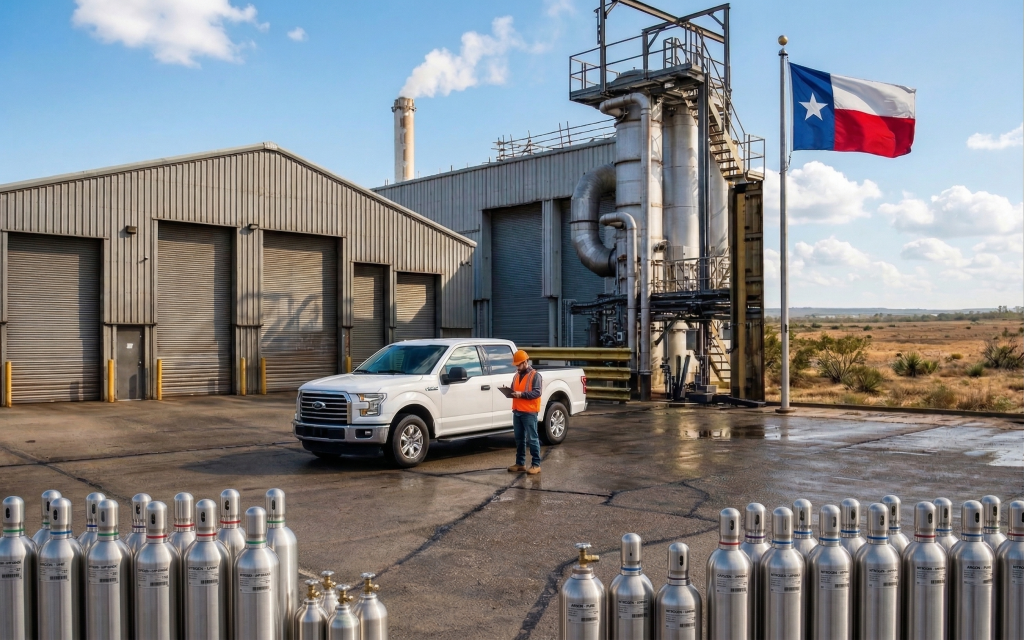
Cylinder vs Bulk Helium Supply in Texas — What’s Right for You? Introduction: Helium plays a very significant role in many industries in Texas. Medical laboratories and research institutes, aerospace plants and event supply companies, and various industries rely on a constant supply of helium. The major dilemma for many businesses is whether to use cylinder helium or a bulk helium supply. The best option will depend on usage rates, financial limitations, storage capacity, and future expansion policies. This paper will discuss the two options in a logical and practical manner to make an informed choice about operating. Understanding Helium Demand in Texas The demand for helium is strong in Texas. Houston and Dallas are major cities that support a wide range of industries, which include healthcare, electronics, aerospace, petroleum, and research. Hospitals use helium to cool magnetic resonance (MRI) machines, laboratories use it in their analysis processes, manufacturers use it in welding and leak detection, and event companies use it in their inflatable systems. Since the supply of helium is influenced by the market, businesses must choose a delivery system that ensures operational stability and cost-effectiveness. What Is Cylinder Helium Supply? Helium in the cylinders is provided in high-pressure tanks, which are portable and easily stored. Many small and medium-sized businesses prefer this type of arrangement because of its low start-up costs and the fact that it does not require large storage areas. Cylinders are compact and could be kept in the house with the necessary safety measures, and are flexible, allowing them to be used for low or medium consumption or seasonal needs. However, cylinders typically require frequent refilling, are more expensive per unit than bulk supply, and require more manual handling. This alternative is therefore the most favourable to small laboratories, service workshops, event-supply businesses, and small businesses. What Is Bulk Helium Supply? Bulk helium is stored in large cryogenic tanks at the customer’s location, and tanker trucks refill them. This system is designed to cater to continuous, high-volume usage and provides a lower unit cost to large users. The large storage capacity ensures a reliable supply and reduces manual handling by eliminating the need to regularly change cylinders. Nonetheless, mass installations require higher initial costs, require specific outdoor locations, and often require long-term contractual agreements. This arrangement would be best suited for aerospace applications, semiconductor producers, major medical facilities, and research facilities with a fixed need for helium. Cost Comparison: Cylinder vs Bulk The most common factor in decisions is often cost. The price per cubic foot of helium would be higher when using cylinders, but it would eliminate infrastructure costs. In bulk supply, the start-up cost is high due to tank installation and configuration. However, long-term savings may be enormous in cases of stable, high usage. The price of helium can vary in Texas depending on supply and demand. Firms that expect to grow should evaluate future consumption, not only current needs. Space and Safety Considerations Cylinders should be stored in a well-ventilated area and in a safe location. Training on handling high-pressure tanks should be done for personnel. Bulk storage structures are placed outside and are designed according to strict engineering standards. They reduce the risk of handling by hand but place the burden of adherence to the safety regulations. Cylinders might be more convenient to control in facilities with limited space. On the other hand, bulk systems are an option given sufficient outdoor space. Supply Stability in Texas Demand cycles are usually high in Texas industries. Selecting the wrong supply model could cause operational delays. If the operations are not tolerant of interruptions, bulk helium provides better continuity. Cylinders are flexible for businesses that can tolerate short delays. Big cities like Austin and San Antonio usually have strong supplier networks. Delivery planning in rural areas might be even more detailed. When Should You Choose Cylinder Helium? Use a cylinder supply for low to moderate helium usage, aiming to keep startup costs reasonable. It is a more feasible option for small or seasonal companies that need to order flexibly with changing demand. When a facility has limited storage space or does not want to invest much in facilities, the cylinder supply provides a simple, expandable solution that allows the business to grow incrementally. When Should You Choose Bulk Helium? Use bulk supply when helium consumption is high and regular, and any unavailability may affect its operations or revenue. It perfectly suits businesses with ample outdoor space where they can install tanks and are more concerned with long-term cost-effectiveness than short-term savings. This model is most advantageous for businesses that conduct daily operations on a large scale. The better option in situations where flexibility is not necessary but operational stability and continuous supply are important, is bulk helium. Final Decision: What’s Right for You? The proper method of supplying helium will depend on the size of the operation and the budget. Helium cylinders are a more flexible, risk-reduced option for a small- or mid-sized operation evaluating growth. Bulk helium offers greater cost-effectiveness and supply predictability over the years than a large facility with unchanging demand. Before making a decision, assess monthly use rates, growth, and available facility space. The cost-benefit analysis will be conducted in a structured manner, facilitating alignment of helium provision with the business strategy. In Texas, the two alternatives are still popular. The trick is to choose the mode that facilitates efficiency, safety, and long-term goals. The right decision now will protect the business from supply shortages and future increases in expenses. Rudy De La Fuente Linkedin Author Rudy De La Fuente, founder of Southwest Gases, has over 16 years of experience in the industrial gas industry, including time with Air Products. He started Southwest Gases to put customers first—offering clear pricing, honest terms, reliable delivery, and no surprises.
Nitrogen vs Argon – Which Gas Is Better for Your Texas Business?
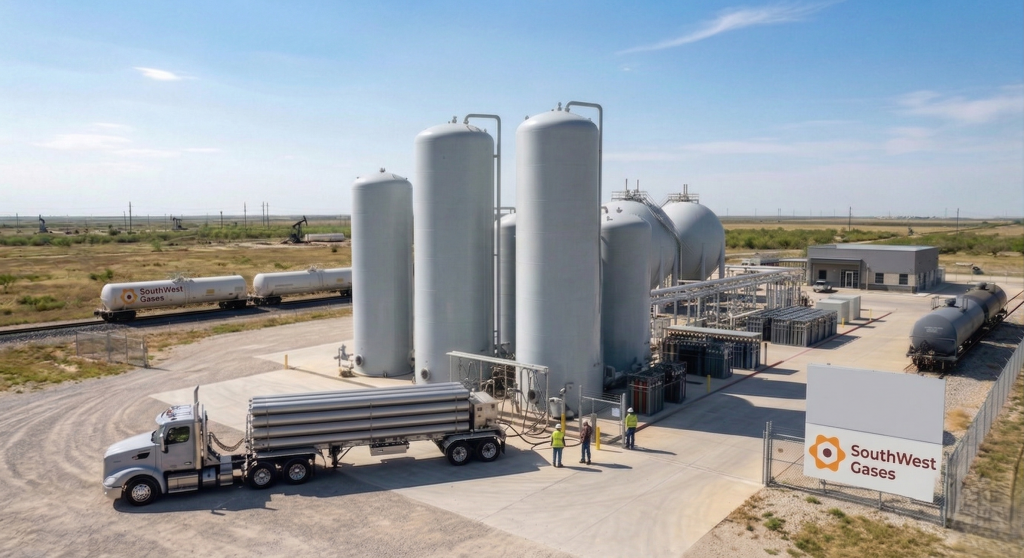
Nitrogen vs Argon – Which Gas Is Better for Your Texas Business? Introduction: Purchasing a proper industrial gas is not easy; it will determine operating costs, product quality, and normal operations. Many Texan companies utilise nitrogen and argon for different ends. Even though both gases are important and widely available, they have their unique features. For owners of manufacturing plants, fabrication plants, food companies, or oil and gas firms, it is crucial to identify the right gas. This reference clarifies the comparison using simple language to bring an informed and prudent decision. What Is Nitrogen? Nitrogen is a colourless, odourless gas that makes up about 78 per cent of the atmosphere. It is comparably easier to remove from ambient air and thus more cost-effective than argon. Nitrogen is widely used in the food packaging industry, oil and gas pipeline maintenance, chemical processing, tyre inflation, and electronics production in Texas. Its main use is to dislodge oxygen in closed spaces to reduce fire hazards, corrosion, and spoilage. Since it is not reactive under typical conditions, nitrogen maintains material integrity and is a cost-effective, versatile solution for most businesses in Texas. What Is Argon? Argon is a colourless, odourless gas that makes up about 1 per cent of the air. Argon is not as abundant as nitrogen, but it has unique properties that make it valuable in highly specialised industries. It is heavier than air and is completely inert; that is, chemically non-reactive. Therefore, argon is commonly used in welding, metalworking, stainless steel manufacturing, aluminium manufacturing, and electronics. Argon is used in welding to provide a stable, protective shield that prevents oxidation and improves weld quality. Argon can also be a better option for the Texan firms that do precise metalwork. Cost Comparison in Texas Cost is a deciding factor in most businesses. Nitrogen is less costly than argon. It is very widespread and can be easily made, thus becoming cheaper per cubic foot. Nitrogen is available in Texas in bulk from many suppliers, from on-site generators, or in cylinders. In comparison, argon is more expensive because of the intensive processing required to separate it from atmospheric elements. The price difference may have a significant impact on the total budget if operations consume large volumes of gas daily. If the core goal is to reduce operating costs while retaining process flexibility, nitrogen is generally the cheaper alternative. On the other hand, when product quality depends on a totally inert shield, the extra cost of argon can be justified. Performance and Application Differences Let’s look at performance in real-world use. 1. Welding Argon is usually considered the best option in welding. It cuts a straight and stable arc and works remarkably well with aluminium and stainless steel. Many fabrication shops in Texas prefer argon for TIG and MIG welding. Nitrogen can be used in some welding mixtures, though it is not as widely used as pure argon for high-quality welds. Welding could be the main core of your business, so argon will probably work better. 2. Food and Beverage In food packaging, nitrogen is widely used. It pushes out oxygen and keeps food fresh longer. Snack companies, coffee producers, and packaged food brands in Texas rely on nitrogen flushing systems. Argon can also be used in food applications, but nitrogen is more common because it is affordable and effective. For food preservation, nitrogen usually wins. 3. Oil and Gas Industry Texas has a strong oil and gas sector. Nitrogen plays a major role here. It is used for pipeline purging, pressure testing, and enhanced oil recovery. Argon is rarely used in this sector. For oil and gas operations, nitrogen is clearly the better fit. 4. Metal Production When it comes to producing speciality metals or preventing oxidation during processing, argon is often preferred. It provides a completely inert environment. If your Texas business works with high-value metals, argon can improve product quality. Supply and Availability in Texas Texas is also a highly industrialised state, with large cities like Houston, Dallas, Austin, and San Antonio providing a range of gas suppliers. Nitrogen is readily available and distributed through bulk liquid delivery, compressed cylinders, and on-site nitrogen generators. Argon is also very popular but lacks flexibility in on-site production. Nitrogen typically offers higher operational efficiency for enterprises that require a continuous, high-volume supply and streamlined logistics. Safety Considerations Nitrogen and argon are not toxic, but both may displace oxygen in confined spaces, posing breathing risks without proper management. It requires proper ventilation, gas checks, and personnel training. Business regulations in Texas stipulate high standards for handling and storage. Regarding safety, the two gases require similar measures. Sustainability and Efficiency Energy efficiency and sustainability are the new priorities of many Texas companies. The nitrogen generators decrease transportation emissions by producing gas on-site, thereby reducing delivery costs and the carbon footprint. Producing argon requires more energy due to its complex separation. When a company embeds sustainability goals in its brand position, nitrogen can be better aligned with its long-term environmental policies. How to Decide for Your Business The choice of nitrogen or argon should be based on the priorities of your operations. Consider the primary purpose of the gas in your process and determine whether a fully inert atmosphere is required. Consider the relevance of cost control to your business and the need to use it on a high volume of daily use. Also, find out whether the quality of products relies on shielding performance. When it comes to cost saving, mass use, and overall industrial safeguarding, nitrogen is often more appropriate. On the other hand, when there is exquisite welding, metals, or fine fabrication in your business, argon could provide the best resultfs. Final Thoughts No universal solution exists for all situations. Nitrogen and argon are both significant to the Texas industries. Nitrogen is characterised by low cost, versatility and deep penetration of the food, oil and gas and manufacturing industries. Argon boasts of quality welding and speciality metalwork. Depending on the goals, production size,
Pure Argon Welding Gas Cylinder: Uses, Prices, and Buying Guide (2026)
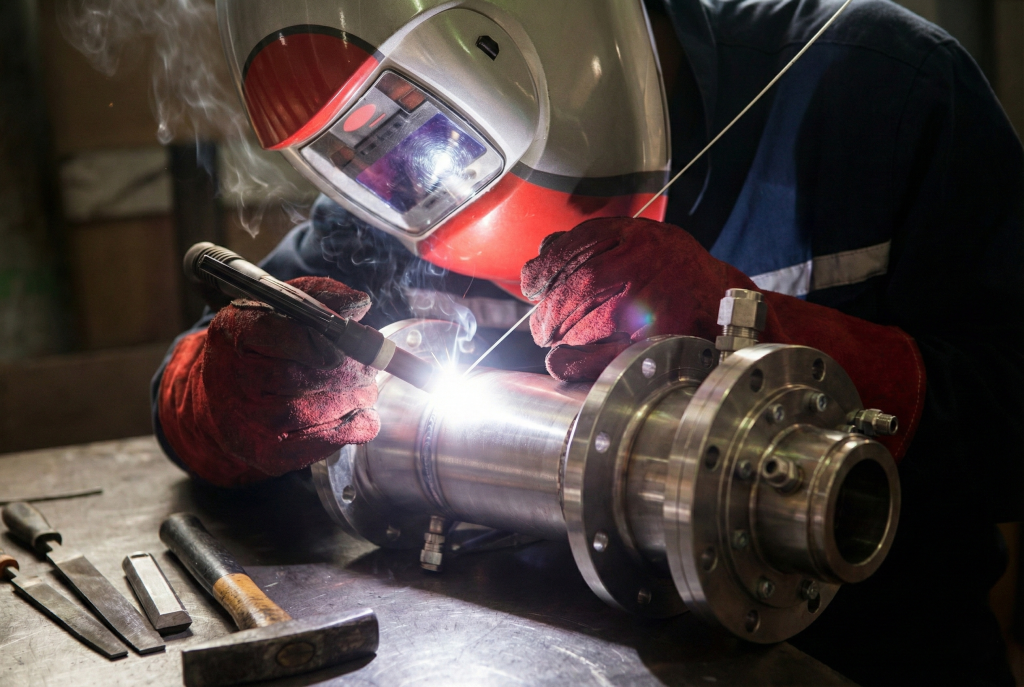
Pure Argon Welding Gas Cylinder: Uses, Prices, and Buying Guide (2026) Introduction: In professional welding and high-precision manufacturing, shielding gas is never an afterthought. It has an immediate effect on weld integrity, equipment operation, rework, and cost of operation over its useful life. A pure argon welding gas cylinder is at the centre of this equation, especially in those applications where cleanliness, arc stability, and metallurgical control are a must. In 2026, buyers in the fields of fabrication, research and advanced manufacturing are reevaluating their argon sourcing. The concern has turned from availability to price discipline, surcharge exposure and contract clarity. Those who are aware of the production and pricing of argon are much more able to reduce expenses while maintaining performance. Understanding Argon: It’s Already in the Air You Breathe Argon is a naturally occurring atmospheric gas, making up roughly one per cent of the air around us. The remaining composition—primarily nitrogen and oxygen—explains why argon production behaves differently from most industrial commodities. Argon is not produced on its own. It is recovered through large-scale air separation units that process enormous volumes of air to extract nitrogen and oxygen first, with argon captured as part of the same operation. Such production models generate involuntary coordination. As the production of argon rises, so does the production of nitrogen and oxygen, whether or not the market demands the extra volumes. For purchasers, this helps explain why argon prices don’t always track welding demand alone and why price recovery mechanisms are typically incorporated within supply contracts. The Surcharge Problem: Windmilling and Cost Leakage If the need for oxygen or nitrogen decreases, cloud producers may continue running air separation units for argon. The excess oxygen and nitrogen produced in the process is vented or disposed of, a procedure called windmilling. Windmilling is necessary operationally, but it adds consumption of energy without income from any of the gases produced. Suppliers trigger these surcharge clauses included in the majority of industrial gas contracts to recoup those costs. The financial danger for buyers is not in the surcharge but in the absence of structured review. Numerous companies still pay high energy or production fees well after windmilling situations have stopped. As time passes, these charges become a kind of normal, nebulously raising the cost of every argon gas cylinder for welding—without any additional value. Argon Pricing: The Premium Atmospheric Gas Argon being the most expensive among the atmospheric gases. In some markets, argon prices are several times those of nitrogen or oxygen. This premium is due to lower yield, more purification, and the fact that in critical applications it is often indispensable. Looking into 2026, argon is anticipated to maintain this premium position as demand rises in the areas of fabrication, electronics, and laboratories. Due to this pricing schema, inefficient usage or loosely defined contract terms can have an outsized effect on overall spend. So controlling costs requires less focus on short-term price negotiations and more on disciplined sourcing and supplier accountability. Metal Fabrication Applications Metal fabrication is still the biggest user of pure argon. Argon–CO₂ mixtures are considered standard for general welding, but pure argon is required for high-quality welding on metallurgical grounds. In TIG welding, pure argon gas for TIG welding offers arc stability, minimises oxidation and ensures clean and consistent welds. This makes it the best choice for stainless steel, aluminium and exotic alloys used in regulated or high-performance environments. For aluminium MIG welding, an argon cylinder for aluminium welding is a necessity. The pure argon provides correct arc characteristics and penetration; mixed gases create more chance of porosity, poor fusion and rework. Argon is also commonly used for plasma cutting stainless steel and aluminium; pure argon produces cleaner cuts and less dross. In line pipe and pressure vessel construction, argon is vital to the success of the root pass welding by providing a proper back purge and eliminating oxidation in the first weld passes. Laboratory, Research, and Semiconductor Uses In addition to manufacturing, welding grade argon gas is utilised in numerous controlled, technology-based environments. Laboratories use argon as a carrier and purge gas for analytical instrumentation, including ICP-MS and gas chromatography systems, and where the consistency of purity directly impacts on the accuracy of the measurements. Research centres employ argon-filled glove boxes for oxygen-sensitive compounds and reactions. In chip making, argon is used to provide inert atmospheres during wafer processing and deposition to minimise contamination at microscopic levels. Crystal growth furnaces use argon to shield the materials during high-temperature formation, and high-power laser systems utilise argon as a purge gas in laser cavities, ensuring stability and performance. In those uses, even small differences in price are often outweighed by the need for reliable supply and guaranteed purity. Buyer Protection: Why Contract Language Matters For the spot or contract argon-purchasing organization, the argon pricing is the the the overall cost of ownership. Apparently trivial surcharge clauses in the gas contract can have a significant impact if they are not particularly well defined and adequately followed-up. Buyers want transparency as to what triggers surcharges and how often they are reviewed and which external indices are used for adjustments. Without caps or a review process defined, surcharges on energy or production can last forever, harming price predictability. The best protection for the buyer is to negotiate transparent surcharge ceilings, clear review schedules, and objective adjustment criteria ahead of multi-year supply commitment. These things may seem like afterthoughts at signing, but they often dictate whether argon buying remains in check or becomes a long-term financial liability. Frequently Asked Questions Q,1 What are the applicable conditions for dispatch surcharge? Surcharges are followed by a rise in energy prices or argon production with very little oxygen or nitrogen needs. Q.2 How frequently are surcharges subject to review and revision? They’re generally billed to a contract holder monthly or quarterly, but removal dictated by a terms of a contract is fairly common. Q.3 What are the market index for Surcharge rate in % Calculation? Rates tend to correlate with electricity, natural gas, or other industrial energy indices. Q.4 What’s the maximum rate of surcharge that can be applied to this contract? It varies among contracts (Grey Goose has a relatively low one), but good ones dictate a maximum on escalation of costs. Closing Perspective
Bulk Propane Gas Equipment and Supply Solutions for High-Usage Facilities
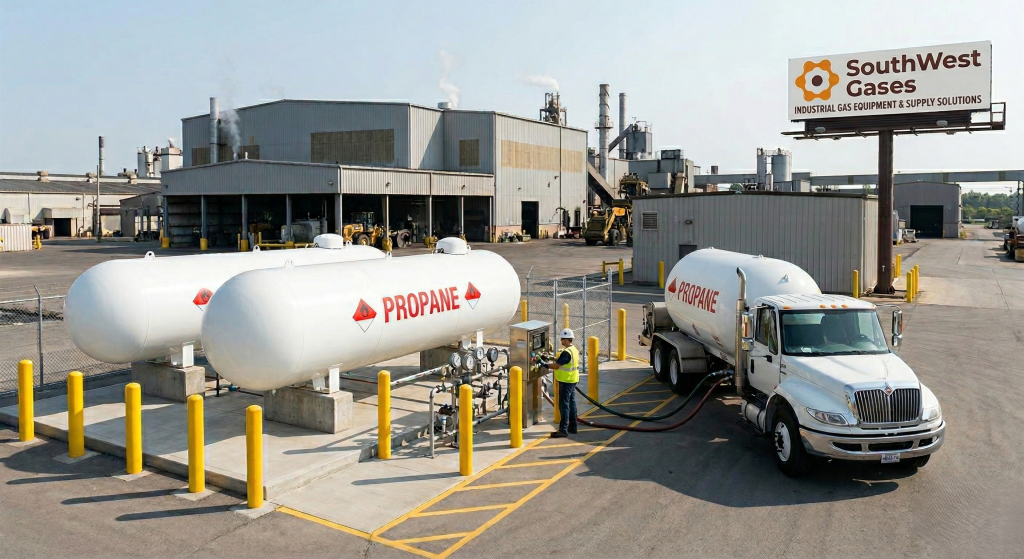
Bulk Propane Gas Equipment and Supply Solutions for High-Usage Facilities Introduction: For high-volume users of propane—whether in forklift fleets, space heating, industrial applications, or food service—knowing about the supply, price, and contract terms of propane is essential. The procurement of propane is generally considered a normal operational cost, but for a high-demand scenario, it is a significant lever to reduce cost, improve supply reliability and avoid contractual frictions over the long term. Having greater visibility into the propane supply chain will enable facility managers to make commercial decisions that support operational stability. The Propane Supply Chain Reality One theoretical uniformity that underlies many industrial facilities managers’ beliefs is that the industrial gas supplier make the propane. But propane production is completely upstream. It is a result of hydrocarbon recovery and natural gas handling and oil refining by-products. Propane then makes its way into the commodity market and is sold in bulk quantities by truckload, railcar, and vessel. Industrial gas supplier are distributors, not producers. They buy propane from the same wholesale sources and then either deliver it to on-site bulk tanks or repackage it into cylinders. This matters because it levels the playing field entirely. Unlike speciality or manufactured gases for which production is limited, the propane supply is drawn from a common commodity pool. Suppliers do not differ in the production but in the pricing, contract terms, service quality and the ownership options of the equipment. Propane as a Commodity Propane is traded as a commodity rather than a specialised industrial gas. In North America, wholesale prices are often linked to Mont Belvieu market quotes, which are the main price references for propane. Although oil users may not find this index explicitly on their bills, it is the basis on which suppliers construct pricing models. Large propane contracts will often contain pricing clauses tied to commodity indexes, but how those indexes are interpreted can differ greatly. Markups, adjustment intervals, delivery fees and escalation clauses vary from supplier to supplier. Certain contracts provide for price increases with little notice; others contain volume commitments that penalise facilities that consume less than what was forecast. Absent clarity on these mechanisms, facilities are exposed to surprise cost volatility. For heavy-use functions, knowing how pricing changes over time is non-negotiable. That is a foundational part of cost control and budget discipline. The Tank Ownership Alternative Another strategic choice that is often unconsidered by facility managers is equipment ownership. With traditional supply arrangements, the suppliers own the bulk tanks or cylinder pools, charging ongoing rental fees and maintaining control over equipment removal and replacement. This arrangement creates dependency for the long term and restricts commercial flexibility. Having propane tank or cylinder fleets changes the equation. Facilities that own their equipment eliminate rental fees and a big source of supplier lock-in. More crucially, ownership empowers facilities to decide how and where to source their propane. Refill strategies are generally divided into two types. Mobile refill services provide on-site refills from delivery trucks at prices nearer to wholesale, with no long-term contracts. Pupils can now also enjoy self-service refills on many cylinder-based uses like forklifts or patio heating when empty bottles are popped into pain-charging authorised stations instead of signing up to expensive exchange schemes. From a cost standpoint, the assessment is simple. By comparing recurring rental fees to the one-time capital cost of equipment, facilities can determine a payback period. Ownership often pays for itself within 12-24 months for the high-volume user. Outside of the cash implications, ownership provides strategic advantages: control of the supply chain, vendor optionality, and immunity from de-installation fees or contract termination penalties. Cylinder vs. Bulk: Different Markets, Similar Considerations Facilities that use forklift cylinders or patio-heater bottles have a different cost structure than those that purchase propane in bulk. Smaller packages naturally have higher per-unit costs for handling, transport and exchange logistics. Pricing commodity dynamics are not this clear at that level, but overall supplier pricing strategies are affected by them. Monitoring Mont Belvieu benchmarks, while not visible on cylinder invoices, still helps facilities see the bigger picture. It is still important to compare suppliers on overall delivered cost, service reliability and safety performance. Cylinder operations are especially susceptible to outdated equipment, valve failures and unsanctioned swapping practices, all of which lead to increased risk in operations. Bulk systems, on the other hand, decrease the frequency of handling but increase the severity of consequences. A bulk tank event has a much larger blast radius, so preventive maintenance, inspection, and emergency response planning are critical to both sides. Though the risk profiles are different, both systems have the same procurement rigour and scrutiny of suppliers. The Strategic Sourcing Advantage Facilities with high usage have more negotiating power than they realise. When propane is purchased with other industrial gases like CO₂, nitrogen or helium, bringing supply under one industrial gas provider may also provide some meaningful benefits. Suppliers often consider propane a low-margin or even loss-leading product when packaged with higher-margin speciality gases. That dynamic enables the facilities to negotiate better terms on their entire gas portfolio. Streamlined procurement procedures, consolidated billing, and one point of contact for service and emergency response enhance operational efficiency. At the same time, leverage on worldwide was able to secure better prices, service level commitments and flexibility in contracts. What to Look For in a Propane Supplier Supplier for Propane evaluation for high-use operations needs to go beyond headline pricing. Contract flexibility is key, especially on volume commitments and escalation clauses. Reliability of supply should be confirmed by enquiries on sourcing relationships and contingency planning, especially in periods of seasonal high demand. Terms of ownership of equipment should be scrutinised, as supplier-owned tanks can evolve into a lock-in mechanism. Pricing transparency is non-negotiable; prices can be accompanied by explanations of how rates are calculated and adjusted over time. A provider that is either unwilling or unable to be clear about these elements is a risk to governance, not just to commerce. Next Steps Facilities examining propane supply arrangements should start with their current contracts, looking for pricing formulas and hidden cost drivers like rentals, delivery fees and hazmat charges. Analysis of tank ownership versus rental options helps to clearly understand long-term cost exposure. Awareness of local refill options and total gas spending across all products