How Smart Compressed Gas Providers Solve Safety, Supply, and Cost Problems
Introduction: A Changing Gas Industry
The compressed gas industry is changing very fast. New rules, new risks, and new demands are rising. Many businesses use gases every day. Hospitals need oxygen. Food brands need nitrogen and CO₂. Factories and labs use many types of gases to run their work.
But old supply systems cannot support today’s needs. Prices rise and fall often. Transport gets slow. Storage can be unsafe. Global events can stop supply. This causes delays and extra cost for many companies.
Smart compressed gas providers understand these problems. They now use simple, modern tools. They focus on safety, steady supply, and low cost. They also use green methods to protect the environment. These changes help build a safer and stronger future.
Safety First With Smart Technology
Safety is the most significant aspect of gas treatment. Gases including oxygen, hydrogen, nitrogen and CO₂ need to be handled with carefulness. A minor mistake resulted in a big risk. Smart suppliers depend on technological development in order to protect people in a safe situation.
1. IoT Safety Monitoring
Sensors in IoT observe pressure of gas, leaking, and temperature throughout the day. When something is wrong, the system is sending out an alert message. Workers could react quickly. This is helpful to prevent some accident from happening.
2. Predictive Maintenance
Suppliers collect data from pipes, valves, and cylinders. The data shows early signs of damage. Teams can fix issues before they become serious. This reduces downtime and improves safety.
3. Digital Cylinder Tracking
Each cylinder gets a digital ID. It shows test dates and repair history. Suppliers can check the full record of every cylinder. This builds trust and keeps safety clear and simple.
Technology helps protect workers, customers, and equipment.
Fighting High Costs With Efficient Operations
Gas supply costs change often. Fuel becomes expensive. Raw materials become limited. Energy prices rise. To manage these problems, suppliers make operations more efficient.
1. Better Delivery Routes
Suppliers make use of software for planning delivery routes. The system discovers the shortest and safest way. This is helping with saving fuel partially, less delay times, and dropping emissions.
2. Energy-Efficient Plants
Lots of companies use machines for saving energy inside their factories. These machines use less power during gas processing. This cuts operating costs. Customers benefit from more stable prices.
3. Smart Inventory Planning
Suppliers use data tools to study demand. They store only the amount needed. This lowers waste and reduces storage costs.
Such measures help in controlling costs and providing stronger service for customers.
Stronger Supply Chains With Flexible Systems
Some recent cases revealed the supply chain could be weak in some parts. The pandemic stopped transport. Political issues slowed shipping. Many businesses faced long delays. Smart suppliers now build flexible systems that can handle change.
1. Local Supply Networks
Suppliers set up small local units. They also work with nearby micro-hubs. This reduces long travel time. Local networks give a faster and safer supply.
2. More Than One Source
Smart providers do not depend on one source. They choose many suppliers for raw materials. This lowers the chance of full shutdowns.
3. Real-Time Tracking
Suppliers use tracking tools that show delivery status. Customers can see where their gas is at any time. This builds trust and helps planning.
These steps create a steady and flexible supply chain.
Green Practices for a Better Tomorrow
Sustainability is now a major need. Many providers use green and clean methods to protect the environment.
1. Lower Carbon Emissions
Suppliers use solar and wind energy in their plants. This cuts carbon emissions and supports climate goals.
2. Reusable and Light Cylinders
Many businesses utilize aluminium and composite cylinders. These are light weight, strong, and recycling is easy. This helps to cut waste with transportation costs becoming lower.
3. Hydrogen as a Clean Gas
Hydrogen is becoming a popular clean fuel. Gas providers now increase hydrogen production. They are preparing for growing demand.
Green practices make the gas industry cleaner and future-ready.
Better Customer Experience With Digital Tools
Gas supply is now supported by digital tools. Tools help processes go faster and easier with customers.
1. Online Ordering and Tracking
Customers can order online. They can track delivery and download bills. This saves time and reduces errors.
2. Data Insights
Suppliers use AI to study how customers use gas. Customers can see waste and reduce it. This helps them save money.
3. 24/7 Support
Chatbots and online teams answer questions anytime. Customers get quick help, even after working hours.
Digital tools make the service simple and smooth.
Automation and AI in Gas Production
AI is changing how gases are made and delivered. It helps suppliers plan better and reduce waste.
1. Smart Production Scheduling
AI adjusts production based on real demand. This cuts waste and improves resource use.
2. Automated Quality Checks
Sensors watch gas purity all the time. AI alerts teams if something changes. This keeps gas clean and safe.
3. Demand Forecasting
Machine learning studies trends and customer habits. It predicts future needs with better accuracy. Suppliers can plan ahead with confidence.
Industry-Based Partnerships
Each industry has its own gas needs. Smart suppliers build custom solutions for each sector.
1. Healthcare
Hospitals need pure medical gases. Providers ensure a safe and steady supply.
2. Manufacturing
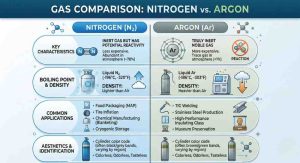
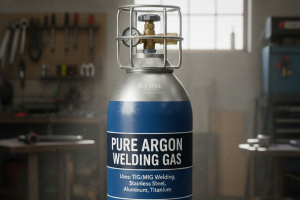
Factories need gases like argon and acetylene. These support welding and cutting. Providers help improve flow and performance.
3. Food and Beverage
Food producers apply nitrogen and CO2 to cool down, to pack, and also for carbonation purposes. Suppliers must follow some safety regulations strictly.
Conclusion: A Smarter and Safer Future
The compressed gas business is entering a new time now. Intelligent companies are applying digital solutions, cleaner operations and strategies that are organised. Their attention is on security, reliable delivery and keeping the prices down, while also caring for environmental targets. With technology expanding, suppliers will start behaving more as teammates. Companies and providers will plan for a secure, strong and environmentally friendly gas supply in the long term.